In the boardroom, the language of power is often blunt: revenue, market share, influence. Yet for millennia, China’s most formidable leaders and thinkers wielded a subtler, more profound tool—one that operated not on spreadsheets, but on the senses. They understood that true authority is not just asserted; it is *composed*. It is an alchemy where raw materials are transformed into an invisible architecture of presence, focus, and command. This was the domain of incense, and its hierarchy was as meticulously structured as any imperial court.
For the modern professional, this is not a historical curiosity. It is a masterclass in environmental psychology and personal branding. The ancient Chinese did not merely burn pleasant scents; they engineered atmospheres of power and cultivated states of purity with the precision of a master perfumer. To decode this hierarchy is to unlock a forgotten lexicon for shaping perception, both of your space and of yourself.
### The Philosophical Foundation: Qi, Purity, and Perception
Before examining the notes, one must understand the score. Ancient Chinese incense culture was built upon two interdependent pillars: the manipulation of *Qi* (氣) and the pursuit of purity.
* **Qi as the Medium:** Everything—people, rooms, decisions—was believed to be permeated by *Qi*, the vital life force. Stagnant or chaotic *Qi* led to poor health, muddled thought, and discord. Incense was the primary tool for directing this energy. A carefully chosen blend could gather, elevate, circulate, or settle the *Qi* in a space, directly influencing the mental and physical state of everyone within it.
* **Purity as the Goal:** In this context, purity was not sterility. It was clarity, integrity, and singularity of purpose. A “pure” environment was one where the *Qi* was aligned with a specific intention: negotiation, meditation, creation, or restoration. The scent was the agent of that alignment.
This philosophy frames incense not as an air freshener, but as a strategic tool. The hierarchy of materials, therefore, reflects a graduated scale of influence, from the broadly corrective to the profoundly transformative.
### Decoding the Hierarchy: From Base to Sublime
The ancient Chinese classification system sorted incense materials into tiers, defined by rarity, complexity of aroma, and their perceived effect on the mind and spirit. This was a tangible expression of value, both economic and esoteric.
#### The Foundational Tier: Woods and Herbs
These are the workhorses of the incense repertoire, the base upon which more intricate accords are built. They deal primarily with the physical environment and baseline mental states.
* **Sandalwood (*Tanxiang*):** The undisputed cornerstone. Its creamy, soft, and subtly sweet woody note is universally respected for its grounding and centering properties. It was considered the “steadying breath” in a blend, used to calm chaotic *Qi*, reduce anxiety, and create a foundation of mental stability. In a modern context, think of sandalwood as the olfactory equivalent of a perfectly organized, minimalist desk—it clears the clutter to make space for focus.
* **Cassia (*Rougui*):** The spicy, warming bark of the cinnamon tree. Its fiery, pungent character was employed to *activate* stagnant *Qi*, to energize a lethargic space, and to stimulate circulation and alertness. It was the scent of vigorous debate and dynamic action.
* **Clove (*Dingxiang*):** Sharply medicinal, warm, and penetrating. Its primary role was protective and purifying—it was believed to ward off malign influences and “cut through” miasmic or sickly atmospheres. It served as an aromatic disinfectant for the energy of a room.
**Actionable Takeaway:** Use these foundational scents to perform basic “olfactory housekeeping.” Burn a high-quality sandalwood stick to settle nerves before a high-stakes meeting. Employ a cassia-forward blend to combat afternoon lethargy in a creative team. They are your first, most direct intervention on a space’s energy.
#### The Intermediate Tier: Resins and Botanicals
This tier introduces greater complexity, both in aroma and intention. These materials shift focus from environment management to cognitive and emotional refinement.
* **Frankincense (*Ruxiang*):** The resinous, clean, pine-citrus aroma of frankincense was revered for its clarifying power. It was known as the “thinker’s scent,” used to elevate the spirit, sharpen concentration, and promote lucid, unobstructed thought. It clears mental fog as effectively as sandalwood clears chaotic energy.
* **Patchouli (*Guanghuoxiang*):** Deep, earthy, musky, and profoundly grounding. While often mischaracterized, true, aged patchouli possesses a damp, rich soil-like quality. It was used to anchor the mind, connect to the present moment, and foster a sense of unwavering stability and resilience—the olfactory bedrock for unwavering leadership.
* **Lotus Blossom:** The rare, ethereal, and subtly sweet floral note of the lotus represented spiritual ascension and mental purity. Its use was reserved for moments of deep contemplation, strategic visioning, or the restoration of ethical clarity. It signified a transcendence of base concerns.
**Actionable Takeaway:** Deploy intermediate-tier scents to architect specific cognitive states. Before a long strategic planning session, use frankincense to ensure razor-sharp focus. When facing volatility or uncertainty, the deep grounding of patchouli can provide an emotional anchor. These are scents for shaping the *quality* of thought and dialogue.
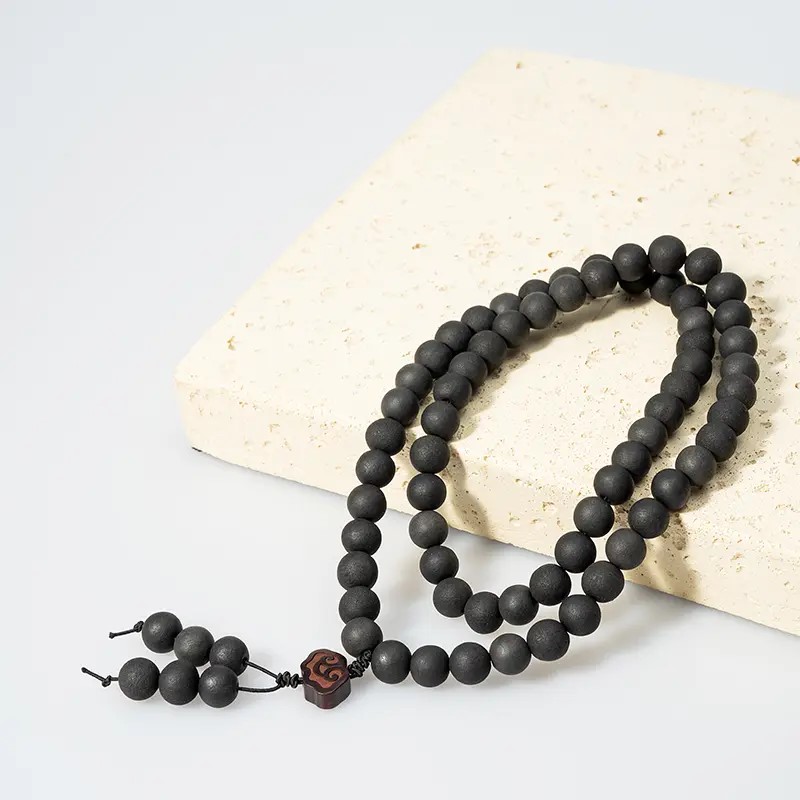
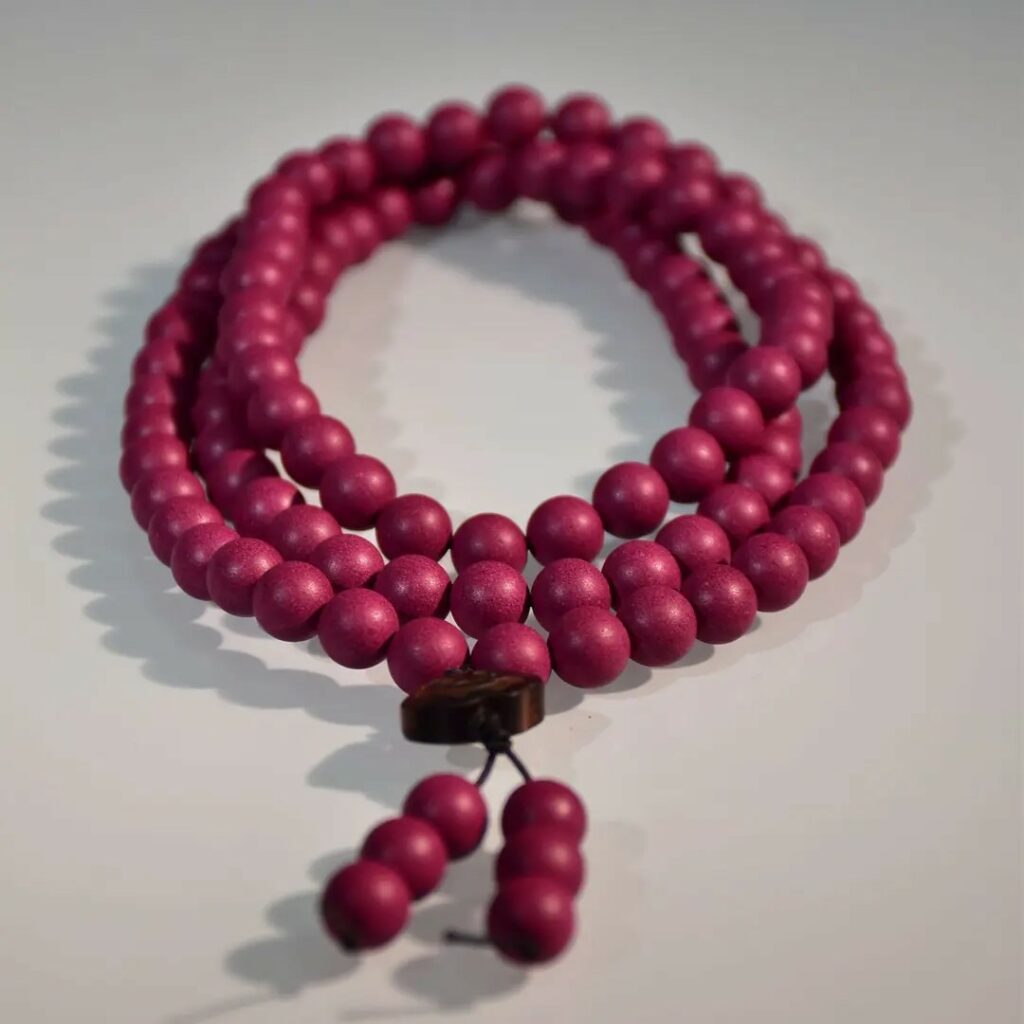
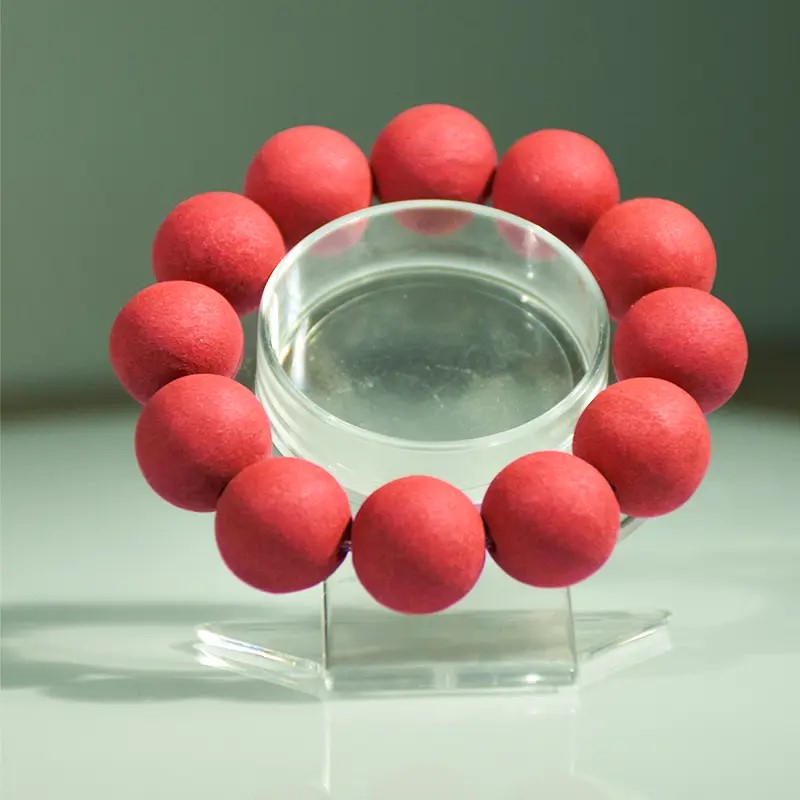
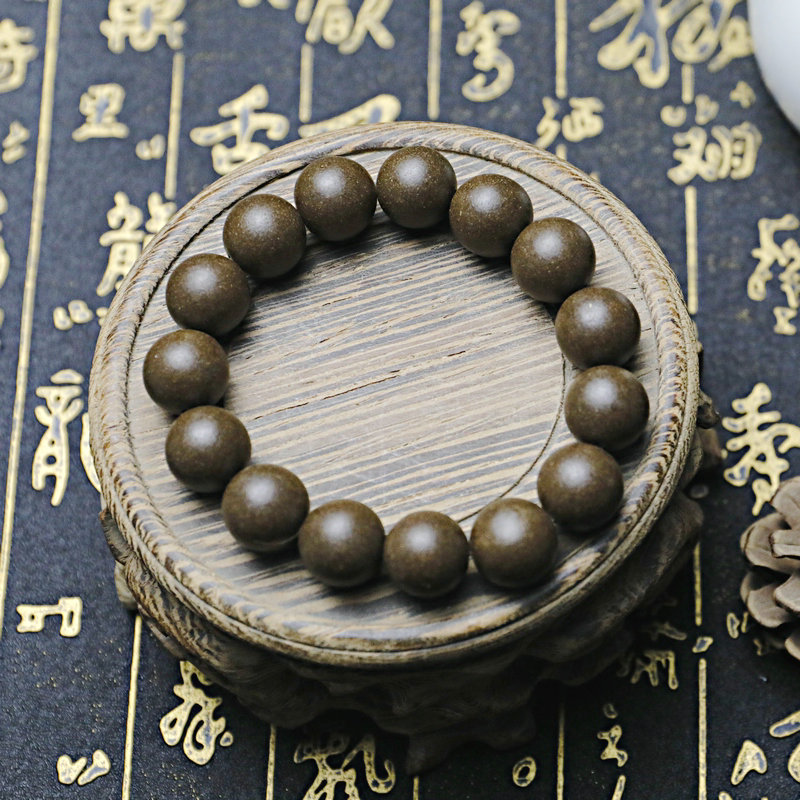
#### The Pinnacle: Agarwood (*Chenxiang*)
Here, we reach the apex of the hierarchy, the singular material that embodies the complete alchemy of power and purity: **Agarwood**.
Its creation is the key to its status. It is not simply a wood; it is a sacred scar. It forms only when the heartwood of the *Aquilaria* tree is infected by a specific mold, triggering a decades-long defense mechanism that saturates the wood with a dark, resinous, fragrant essence. The tree must be wounded to create its greatest treasure.
Its scent profile is unparalleled: a multi-layered evolution that moves from cool, bitter, and medicinal upon first heating, through a profound, resonant woody-core, to a long-lasting, sweet, and balmy dry-down that can linger for days. It is complex, contemplative, and impossible to ignore.
In the hierarchy, Agarwood was the scent of ultimate authority and deep spiritual attainment. It was not used to *create* an atmosphere, but to *define* it. To burn Agarwood was to make a statement: the space and the people within it were engaged in matters of the highest consequence. It commanded reverence, focused collective attention like a laser, and was believed to facilitate a connection to higher wisdom and insight. It represented power refined through suffering (the tree’s wound) into something of transcendent value and purity.
**Actionable Takeaway:** Agarwood is your strategic olfactory signature. Use it sparingly and intentionally for the most critical moments: signing a pivotal partnership, hosting an exclusive board retreat, or engaging in a personal ritual to define your core vision. It does not blend into the background; it becomes the center of gravity.
### The Modern Alchemy: Composing Your Olfactory Authority
Understanding this hierarchy allows you to move from passive consumer to active composer. Your office, study, or home becomes your atelier.
1. **Diagnose the Qi:** Is the energy scattered, stagnant, tense, or dull? Your diagnosis dictates your material selection.
2. **Select Your Tier:** Choose foundational scents for correction, intermediate for refinement, and Agarwood for transformation.
3. **Compose with Intention:** Ancient masters created precise formulas. You can do the same by layering. Start a session with cassia to energize, move to frankincense for deep work, and conclude with sandalwood to settle and integrate insights.
4. **Elevate the Ritual:** The act itself matters. Use proper tools—a ceramic or bronze incense holder, fine charcoal for resins, a feather to direct the smoke. This mindful practice shifts the act from mundane to ceremonial, signaling to your own mind that a shift in state is commencing.
### Conclusion: The Invisible Architecture of Influence
The ancient Chinese incense hierarchy reveals a sophisticated technology of influence. Power, in this view, is not a blunt force but an emanated quality—composed of clarity, focused intention, and cultivated presence. Purity is the removal of all that distracts from a singular purpose.
For the contemporary professional, this is the ultimate actionable insight: your environment is not a backdrop to your work; it is an active participant. You have the ability to architect it on a molecular level. By applying the principles of this ancient hierarchy—using foundational scents to correct, intermediate scents to refine, and the pinnacle scent of Agarwood to transform—you cease to simply occupy a space. You begin to *curate* it, and in doing so, you curate the quality of thought, dialogue, and decision-making that occurs within it.
This is the true alchemy. It transforms raw material into atmosphere, routine into ritual, and presence into power. Begin your composition.