The Art of Incense: How a Flawed Metric Can Cloud a Hospital’s True Quality
In the rarefied world of bespoke perfumery and artisanal scent creation, we understand that true quality is a nuanced, multi-faceted experience, never reducible to a single note. This principle, it seems, extends far beyond the atelier. A recent study has illuminated a critical flaw in how we measure excellence in another vital sphere: healthcare. The research reveals that a key federal safety metric may be inappropriately penalizing hospitals for performing lifesaving stroke procedures, creating a distorted and potentially dangerous picture of quality. Much like judging a complex, scented incense by a single, overpowering ingredient, this metric risks obscuring the true artistry and life-saving capability within our medical institutions.
The Delicate Balance of Composition and Consequence
The practice of crafting fine incense is an exercise in precision and understanding unintended consequences. A master blender knows that a resin prized for its deep, smoky base note can, in excess, overwhelm the entire composition, masking subtle, beautiful florals or citrus accents. The healthcare metric in question, the Patient Safety Indicator (PSI) for “postoperative stroke,” operates on a similarly blunt principle. It flags any stroke occurring after a major surgery as a potential safety failure. However, the new study focused on a specific, high-stakes scenario: strokes that occur after a life-saving procedure called carotid endarterectomy, which is performed *to prevent* a future, catastrophic stroke.
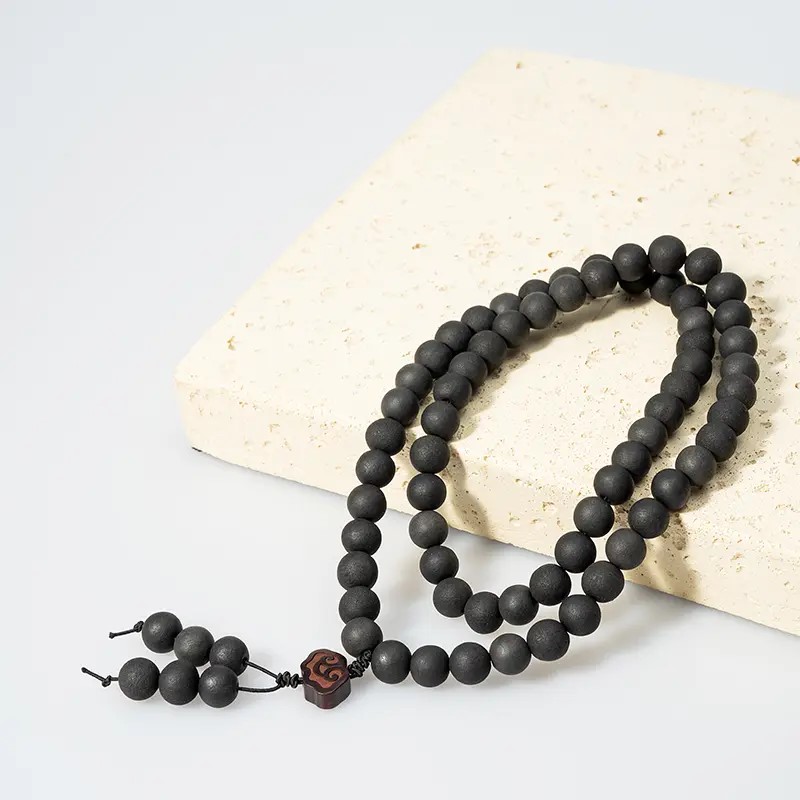
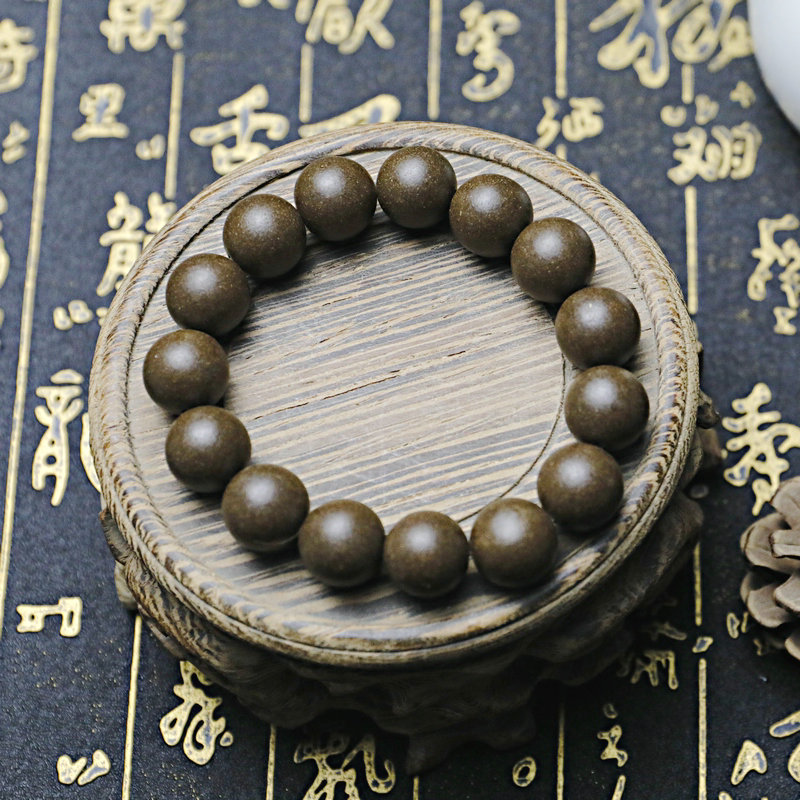
In these cases, a postoperative stroke is often not a failure of hospital safety but a known, tragic risk of an urgently needed intervention. To penalize a center for undertaking this complex, vital surgery is akin to criticizing a perfumer for using a rare oudh—a material with a challenging, sometimes harsh profile—without appreciating its essential role in creating a profound and enduring fragrance. The metric, in its current form, lacks the discernment to separate a true safety error from an accepted risk of a courageous treatment.
When Measurement Obscures Mastery
For the connoisseur, the value of a handcrafted scented incense lies in the artisan’s expertise in selecting, blending, and applying heat to reveal a transcendent olfactory journey. It is an holistic art. Similarly, a hospital’s quality should be assessed on its holistic ability to manage complex, high-risk patients. The study suggests that the fear of being penalized by this PSI metric may inadvertently create a “risk-averse” culture. Hospitals might be discouraged from offering the very procedures that could save lives, particularly for the most vulnerable patients, for fear of damaging their safety scores and reputation.
This creates a perverse incentive. A facility could maintain a “clean” safety record by avoiding difficult cases, while a truly excellent center that accepts high-risk referrals and performs advanced, life-saving neurosurgical and vascular procedures is branded with a lower quality score. The delicate, smoky trail of a premium incense stick cannot be judged solely by its initial spark; it must be appreciated through its entire, evolving burn. Judging a hospital on a single, poorly calibrated metric is just as myopic.
Refining the Instrument: Towards a More Nuanced Assessment
The art of perfumery advanced with chemistry, moving from vague descriptions to gas chromatography and mass spectrometry, allowing for precise analysis and creation. Healthcare measurement requires a similar evolution in sophistication. Researchers advocate for a “risk-adjustment” to this metric. This would mean the algorithm accounts for the patient’s pre-existing condition and the inherent risk of the procedure itself. A stroke following a routine knee surgery would rightly be flagged as a likely safety event. A stroke following an emergency procedure on a severely diseased carotid artery would be viewed in a different, more contextual light.
Implementing this nuance is essential for transparency and true quality improvement. It allows hospitals to be compared fairly, fosters an environment where cutting-edge care is encouraged, and, most importantly, ensures patients have access to the centers most skilled in handling their complex needs. It shifts the focus from avoiding a statistical penalty to mastering a clinical outcome.
Key Takeaways: Discerning the True Notes of Excellence
- The current “postoperative stroke” safety metric is a blunt instrument that may mislabel hospitals performing essential, high-risk stroke-prevention surgeries.
- This can create disincentives for providing lifesaving care and distort the public’s understanding of hospital quality.
- The solution lies in risk-adjusted metrics that account for patient complexity and procedural risk, much like a perfumer accounts for the interaction of raw materials.
- True quality, in healthcare as in olfaction, requires a nuanced, holistic assessment beyond a single, isolated measure.
Conclusion: The Lingering Truth Beyond the First Impression
Just as the full character of a finely blended scented incense reveals itself over time, with base notes speaking as powerfully as the top, the true quality of a hospital cannot be captured in a snapshot metric. It resides in the courage to undertake difficult cases, the expertise to navigate profound risks, and the commitment to holistic patient outcomes. This study serves as a vital reminder: in our quest for measurable quality, we must ensure our tools are as sophisticated, discerning, and nuanced as the excellence we seek to promote. Let us refine our instruments so they clarify, rather than cloud, our perception of true mastery.