Ancient Aromas: Unveiling the Hidden Power of Color in History
Imagine stepping back in time, not just through dusty books and crumbling ruins, but through scent. Imagine the vibrant hues of antiquity – the deep blues of Egyptian royalty, the fiery reds of Grecian pottery, the regal purples of Roman emperors – each color holding a secret, each a portal to a lost world. But what if these colors also had aromas? Today, we explore the surprising connection between color and aroma through the ages. Prepare to embark on a sensory journey that bridges the gap between history and the art of mindful living.
Why Color Matters to Historians
For historians, color isn’t just a visual detail; it’s a language. The colors used in ancient art, clothing, and architecture reveal profound cultural values, religious beliefs, and social hierarchies. The choice of a specific dye, the rarity of a pigment, or the symbolism associated with a hue can unlock hidden meanings and provide invaluable insights into the lives of people who lived millennia ago. Consider the labor-intensive process of creating Tyrian purple, derived from sea snails – instantly signaling power and wealth.
Color Palettes of the Past
Ancient Egypt: Sacred Blues and Golds
In ancient Egypt, blue and gold reigned supreme. Blue, reminiscent of the life-giving Nile and the heavens, adorned the crowns of pharaohs and the walls of temples. Gold, representing the sun god Ra and immortality, gleamed on sarcophagi and jewelry. These colors weren’t merely decorative; they were integral to the Egyptians’ spiritual understanding of the world and their journey to the afterlife.
Aroma Tie-in: The Egyptians mastered the art of perfumery. Kyphi, a complex incense blend, offered a sweet, honeyed aroma, embodying wealth and divinity. Lotus perfume, derived from the sacred blue lotus flower, was cherished for its intoxicating fragrance. Close your eyes, imagine a blend of frankincense and blue lotus – can you sense the divine aura of ancient Egypt?
Ancient Greece: Vibrant Reds and Whites
The art of ancient Greece is characterized by its stark contrasts. The vivid reds and pristine whites of pottery depicted scenes of gods and heroes, while the brilliant white marble of temples reflected the Greek ideals of purity and reason. Color played a crucial role in mythological storytelling and religious rituals. The reds symbolized bravery and sacrifice, while the whites represented peace and harmony.
Aroma Tie-in: While the Greeks didn’t necessarily use incense in the same elaborate ways as the Egyptians, they did utilize aromatic herbs and olive oil in their daily lives. Consider the scent of olive oil infused with thyme and rosemary, used to create colored pigments for pottery. Picture an artist, creating their art as the aromas fill the air.
Ancient Rome: Imperial Purples and Ochres
The Roman Empire was a tapestry of power and opulence, and color played a vital role in reflecting this social hierarchy. Imperial purple, reserved for the emperor and senators, symbolized supreme authority. Earthy ochres and reds adorned the walls of villas and public buildings, conveying a sense of stability and grandeur. Color was a powerful tool for social signaling.
Aroma Tie-in: The Romans were known for their lavish bathhouses, where the air was thick with the fragrance of exotic oils and perfumes. Saffron-dyed fabrics, prized for their vibrant hue and cost, exuded a subtle, earthy aroma. Imagine the aroma of sandalwood and cedar in the bathhouse, a grounding presence amidst the luxury.
The Psychology of Color Through the Ages
The way ancient cultures perceived and interpreted colors varied significantly. What one culture saw as a symbol of mourning, another might have seen as a symbol of joy. Understanding these nuances is essential for deciphering the cultural context of ancient art and artifacts. Did ancient Egyptians connect the aroma of Blue Lotus with its calming properties, similar to modern aromatherapy?
Aroma Tie-in: The link between color and emotions may have been reflected in ancient aromatherapy practices. Although we cannot be certain if they had a formalized “color therapy,” it’s plausible that certain aromas were intuitively linked to specific emotions associated with corresponding colors. For example, frankincense (often associated with gold, spirituality) used during rituals aimed to promote peace.
Rediscovering Ancient Aromas Through Color
Today, we can draw inspiration from ancient color palettes to create modern aromatherapy blends that evoke the moods and energies of the past. By combining essential oils that resonate with specific colors, we can tap into the rich tapestry of ancient history and experience a deeper connection to our ancestors. Can we use color to create better aromas?
Imagine crafting a blend inspired by ancient Egypt, combining blue chamomile (for its calming properties) with frankincense (for its spiritual connection). Or a Roman-inspired blend featuring cedarwood (for grounding) with saffron (for its uplifting aroma).
Practical applications: Create historically inspired aromatherapy blends for meditation, relaxation, and focus. Diffuse an “Egyptian” blend during meditation to enhance spiritual awareness, or use a “Roman” blend to promote focus and productivity. Perhaps even add a few drops to bath water for relaxation and grounding.
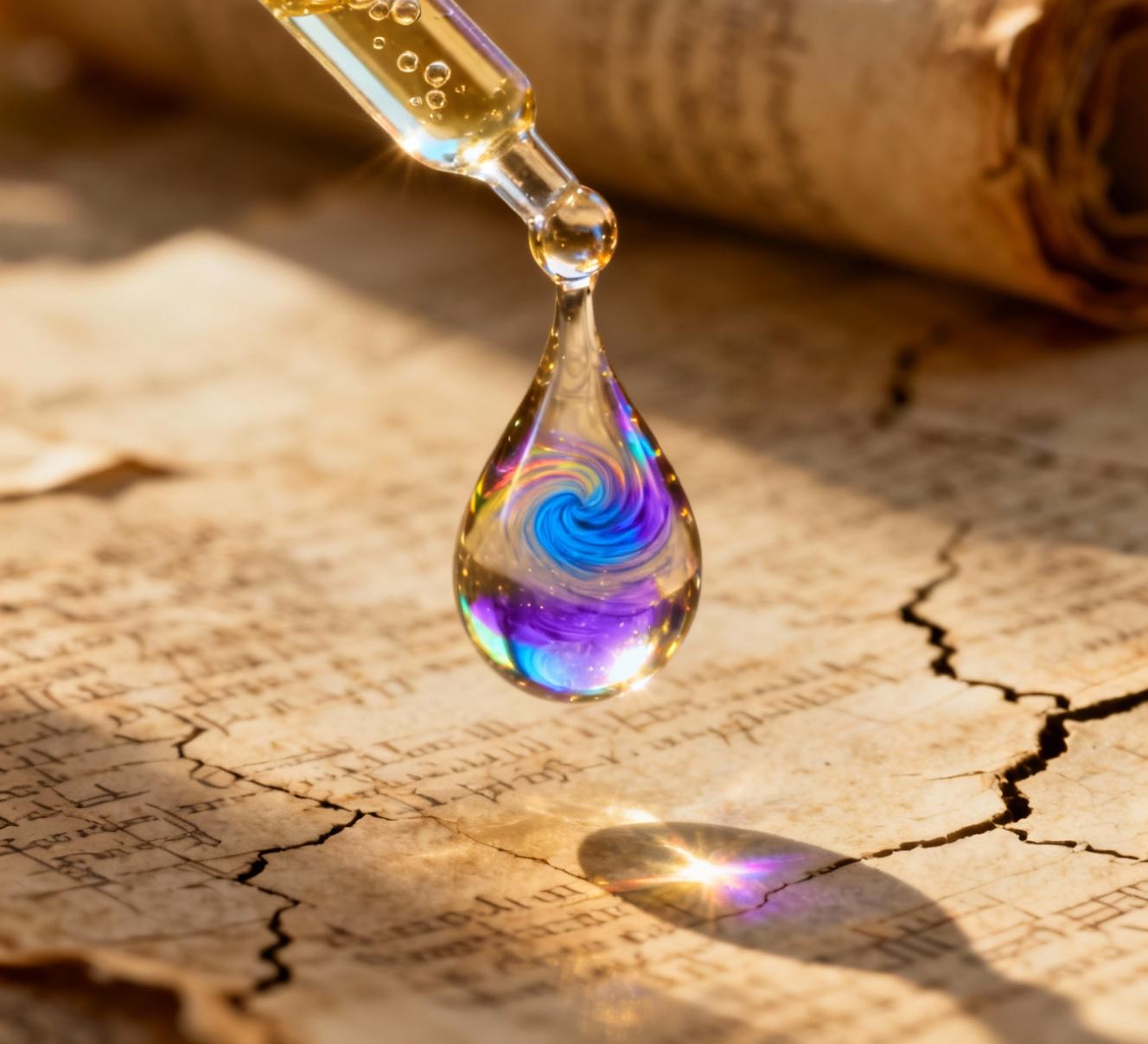
Conclusion: The Enduring Legacy of Color and Aroma
The enduring legacy of color and aroma is a testament to the power of the senses to transport us through time and connect us to the rich tapestry of human history. Take a moment to reflect on the colors and scents that resonate with you. Close your eyes, inhale deeply, and allow yourself to be transported to another time, another place. In this space, find peace, clarity, and a deeper understanding of yourself.