The Aroma of Antiquity: How Ancient Scents Shaped History (and Your Home)
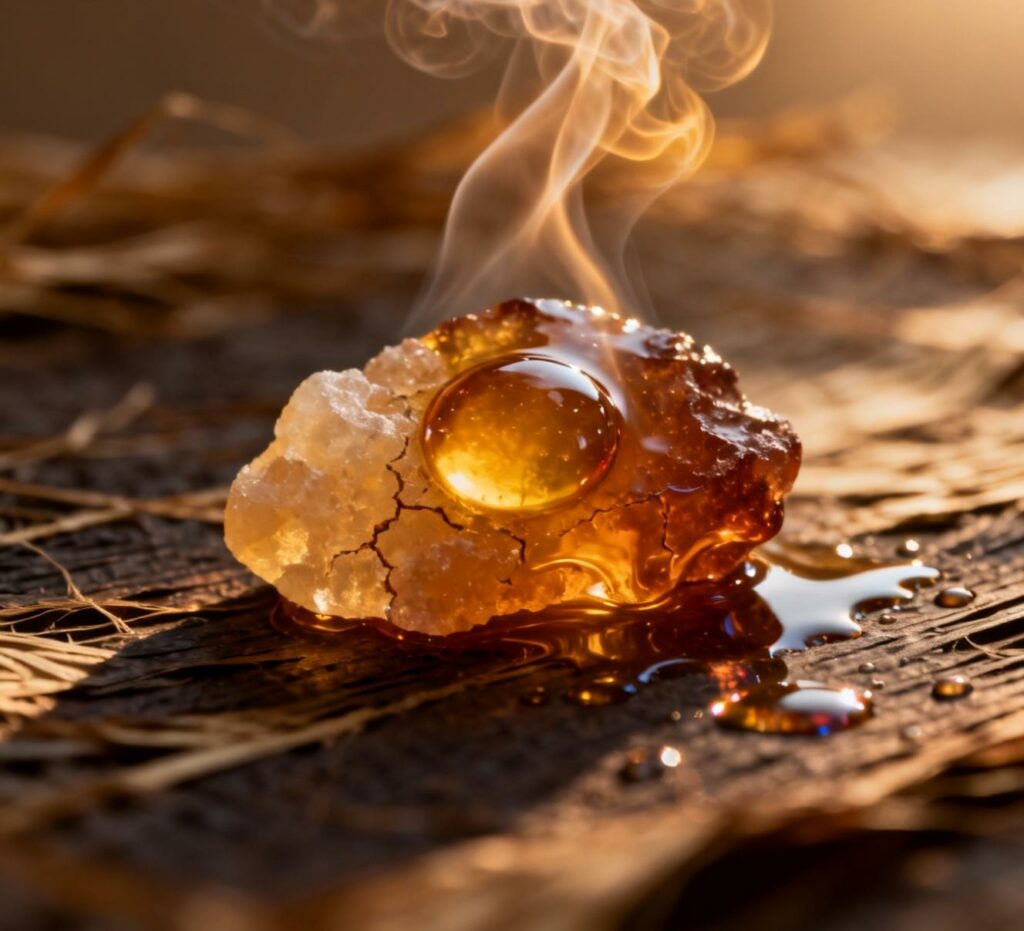
Imagine stepping back in time, not through a portal, but through a scent. The rich, resinous aroma of frankincense fills the air, conjuring images of pharaohs and ancient temples. Or perhaps the delicate sweetness of rose transports you to a Grecian garden, where philosophers pondered the mysteries of the universe. These aren’t just pleasant smells; they are echoes of civilizations, whispering stories of ritual, power, and the human desire for connection.
The Scented Secrets of the Past
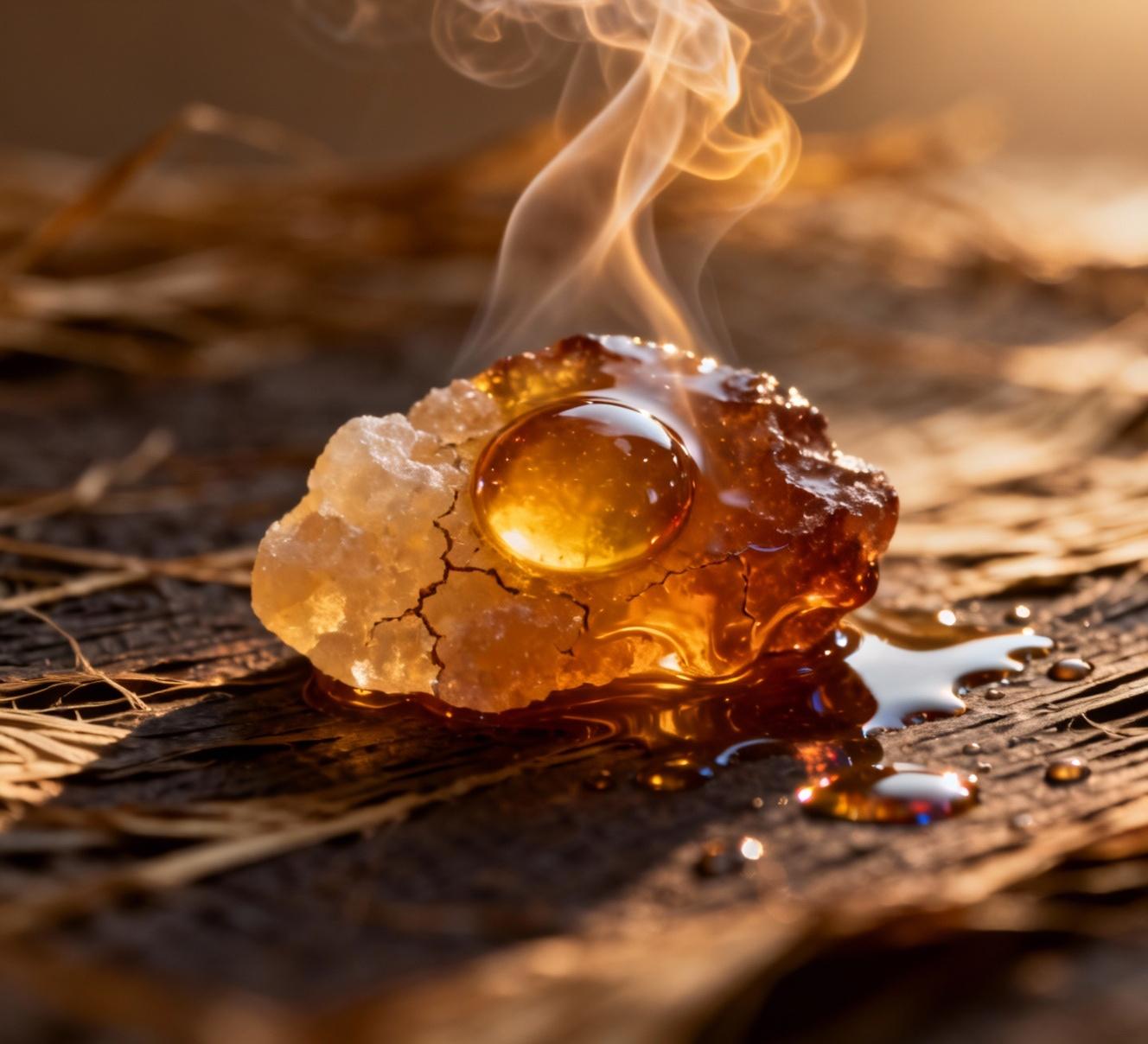
For millennia, aroma has been more than just a pleasant fragrance; it was a fundamental aspect of life. It shaped societies, influenced spiritual practices, and even determined social standing. Today, we can rediscover these ancient aromas, not just for their captivating scents but also for the profound insights they offer into the past and the present.
Why Study Ancient Aromas?
Ancient aromas played a pivotal role far beyond mere pleasantries; they were essential to rituals, medicinal practices, and everyday existence. The way a civilization harnessed scent reveals a wealth of information about their beliefs, knowledge, and social structures.
In many ancient societies, scent defined social status. The wealthy adorned themselves with rare perfumes and burned precious incense, while the lower classes relied on more readily available herbs and oils. Understanding these olfactory hierarchies provides a unique lens through which to view the past.
Intriguingly, modern science is beginning to explore how these ancient aromas might affect our brains today. Preliminary research suggests that certain scents, like Sandalwood, can promote relaxation and focus, mirroring their traditional uses in meditation and spiritual practices.
Case Studies: Aromatic Civilizations
Let’s journey through time and explore how different civilizations harnessed the power of aroma.
Ancient Egypt: Incense, Perfumes, and the Afterlife
For the Egyptians, aroma was intrinsically linked to the divine and the afterlife. The air in temples was thick with the smoke of burning incense, and perfumes were an essential part of daily life and preparations for the journey beyond.
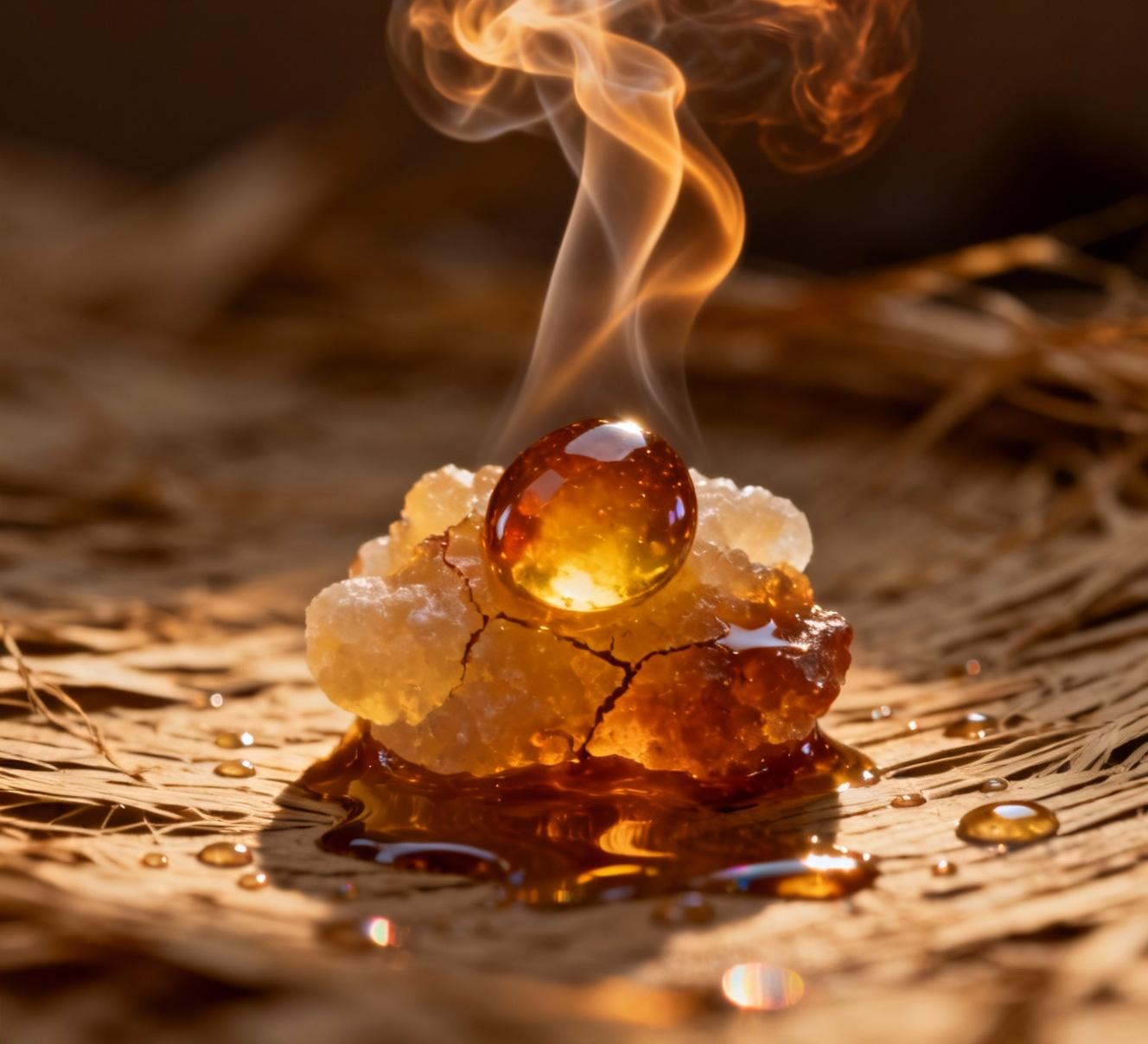
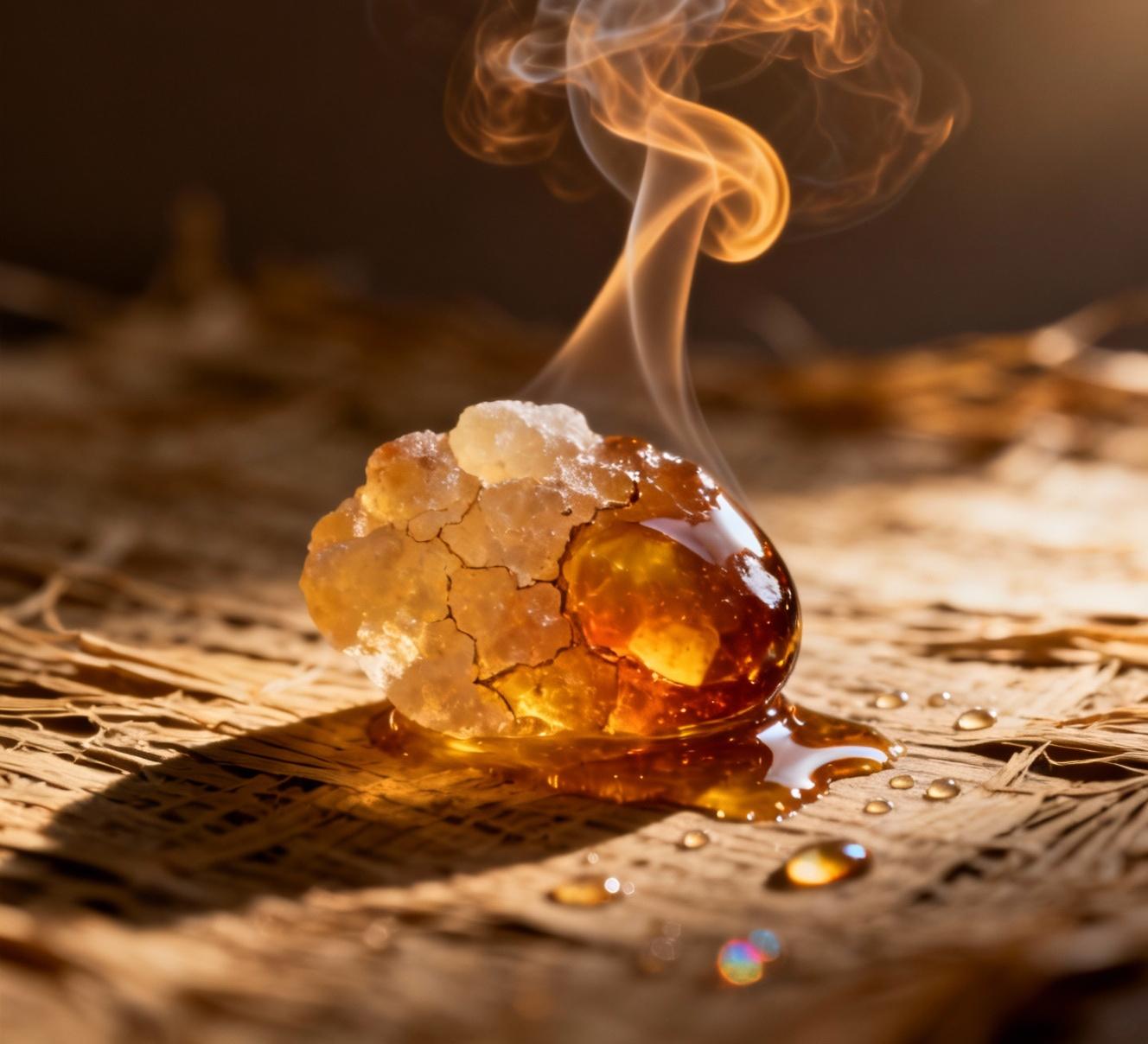
Key aromas included Kyphi, a complex blend of resins, herbs, and spices; Myrrh, prized for its medicinal and spiritual properties; and Frankincense, revered as a gift from the gods. These were used extensively in mummification, religious ceremonies, and personal adornment.
“The fragrance of frankincense rises, carrying our prayers to the heavens.”
Ancient Greece: The Fragrant Symposium and the Art of Perfumery
The Greeks elevated perfumery to an art form, associating certain scents with beauty, pleasure, and the gods. Fragrant oils and perfumes were integral to the symposium, a gathering of intellectuals and artists.
Key aromas included Rose, a symbol of love and beauty; Violet, associated with modesty and refinement; and Saffron, a rare and expensive spice used in perfumes and dyes. These scents were believed to evoke specific emotions and enhance the overall experience.
Philosophers like Theophrastus even wrote extensively on the art of perfumery, detailing the ingredients and techniques used to create captivating fragrances.
Ancient Rome: Bathhouses, Banquets, and the Empire of Scent
The Romans embraced aroma on a grand scale, using it to display wealth, maintain hygiene, and assert power. Bathhouses were filled with fragrant steam, and banquets were lavishly scented with exotic spices.
Key aromas included Lavender, used for its calming and cleansing properties; Pine, associated with strength and vitality; and a variety of spices imported from the East, such as cinnamon and cloves. The use of these aromas was a powerful symbol of Roman opulence and control over vast trade networks.
Recreating Ancient Aromas Today
Rediscovering ancient aromas doesn’t require a time machine. With ethically sourced ingredients and a little creativity, you can bring these captivating scents into your own home.
Ethical Sourcing of Ingredients
When recreating ancient blends, it’s essential to prioritize ethical sourcing. Look for suppliers who are committed to sustainability and fair labor practices. Respecting the origins of these ingredients ensures that we can continue to enjoy them for generations to come.
Consider the impact of your choices. Opt for sustainably harvested Palo Santo, for example, and support communities that are preserving traditional knowledge and practices.
DIY Recipes for Ancient-Inspired Blends
Why not try crafting your own ancient-inspired aroma blends? Experiment with combining frankincense and myrrh for a grounding and spiritual experience, or create a rose and lavender sachet to promote relaxation and sleep. A few drops of cedarwood oil can create an atmosphere that will make you feel secure and protected.
Here’s a simple recipe for a calming incense blend:
- 1 part Frankincense resin
- 1 part Lavender flowers
- 1/2 part Sandalwood powder
Grind the ingredients together and burn on a charcoal disc or in an incense burner.
The Therapeutic Benefits of Ancient Scents
Beyond their historical significance, ancient scents offer a range of therapeutic benefits. Frankincense can reduce stress and anxiety, Rose can uplift the mood, and Lavender can promote restful sleep. By incorporating these aromas into your daily life, you can enhance your well-being and connect with the wisdom of the past.
“Inhale the scent of lavender, exhale the cares of the day.”
The Enduring Power of Aroma
The allure of aroma transcends time and culture. From the temples of ancient Egypt to the bathhouses of Rome, scent has always been a powerful tool for shaping our experiences and connecting us to something greater than ourselves.
We invite you to explore the world of ancient aromas and discover the scents that resonate with you. Light an incense stick, diffuse an essential oil blend, or simply take a moment to appreciate the fragrance of your surroundings. Let the aroma transport you to another time and place, and allow its wisdom to guide you on your journey.
What ancient scents captivate your imagination? Share your experiences and insights in the comments below!