Ancient Aromas: Unearthing the Scented Secrets of the Past
Introduction: The Timeless Allure of Aroma
Imagine stepping into an ancient Egyptian tomb, not with the sterile air of a museum, but filled with the lingering scent of myrrh and cedarwood, the very air breathed by pharaohs. Aroma, more than just a pleasant fragrance, was the invisible hand shaping civilizations, influencing everything from religious practices to daily life. For those of us fascinated by the past, understanding the role of aroma unlocks a sensory dimension to history, connecting us to our ancestors in a profound way. We invite you to join us as we embark on an olfactive journey into the past.
The Power of Scent in Antiquity
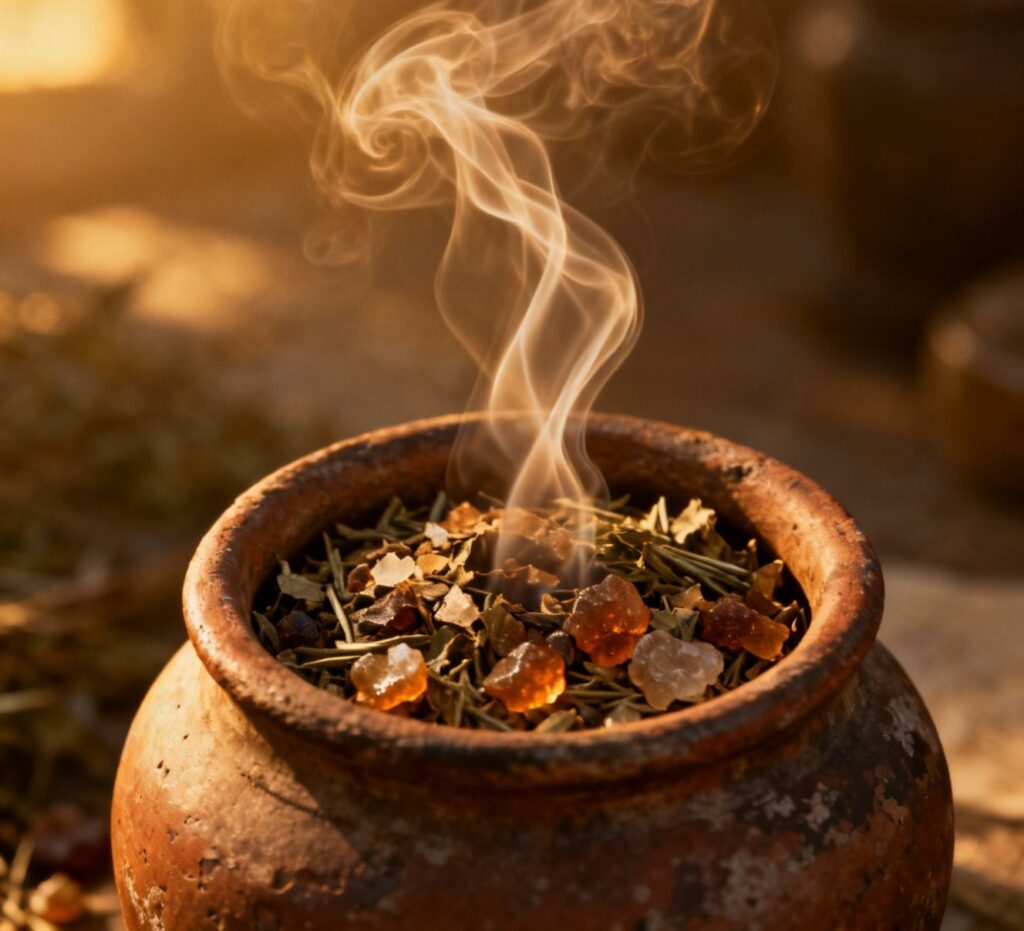
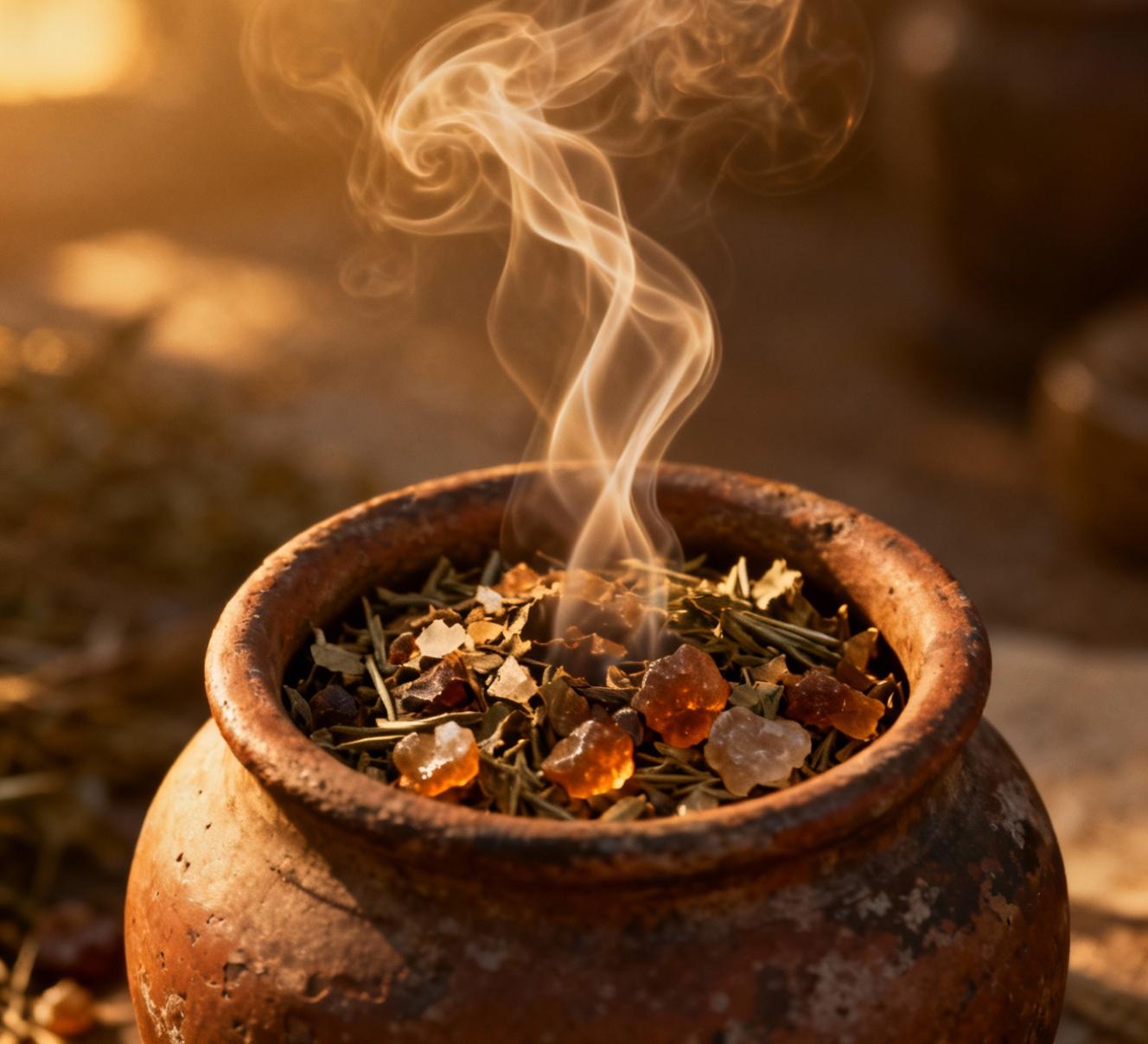
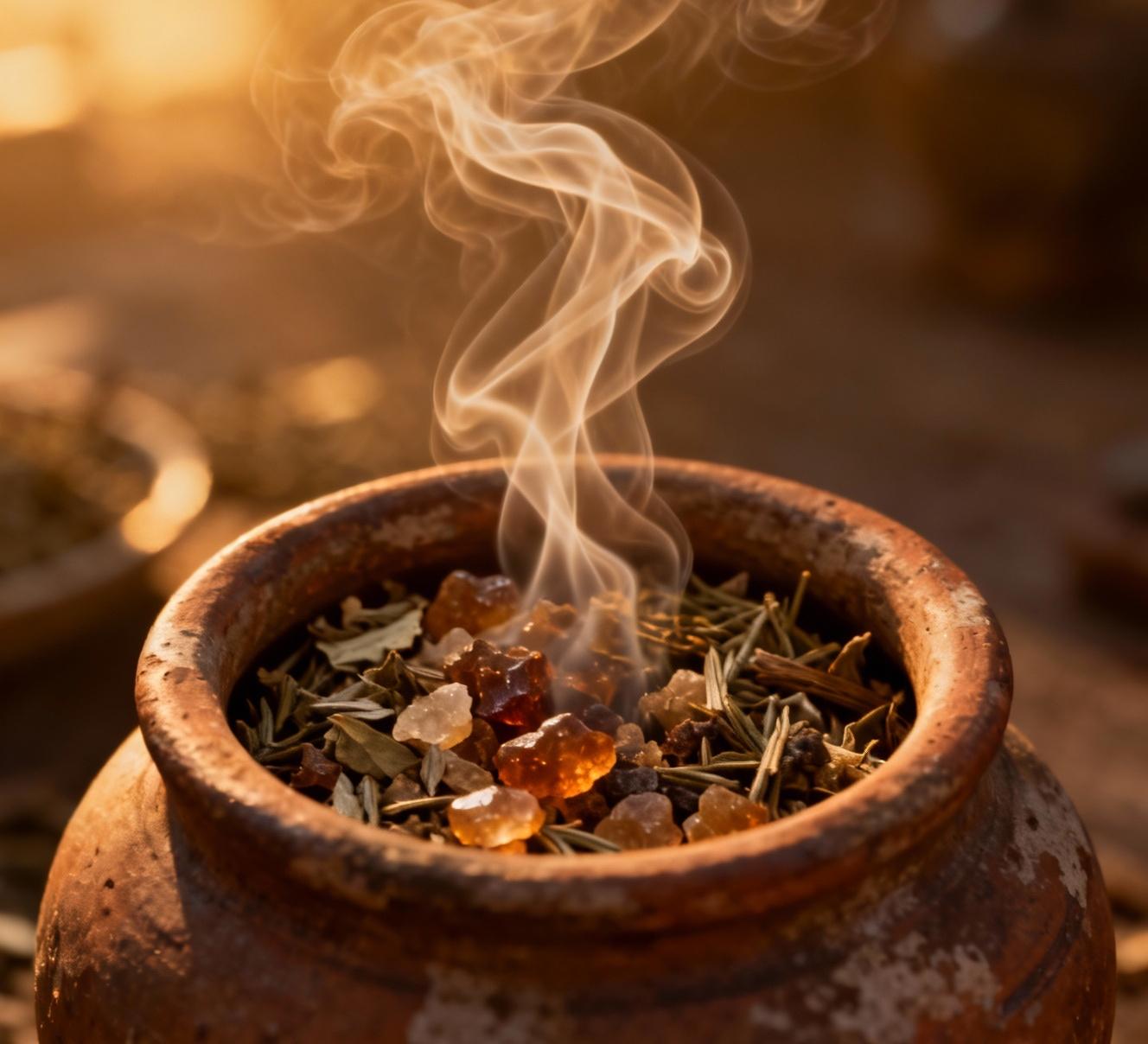
The power of aroma in the ancient world transcended mere sensory pleasure. Certain scents were believed to possess divine qualities, acting as conduits to the gods. Frankincense, with its resinous, almost citrusy notes, was burned in temples across the ancient world, its rising smoke carrying prayers heavenward. Myrrh, prized for its medicinal properties, was used in embalming rituals, ensuring safe passage to the afterlife. Even cedarwood, beyond its structural uses in buildings and shipbuilding, was valued for its preservative qualities and distinctive aroma, contributing to its use in sarcophagi.
The demand for these aromatic substances spurred economic growth, forging trade routes that crisscrossed continents. Kingdoms rose and fell based on their access to these precious commodities. Royal fragrances were status symbols, communicating power and prestige. Aroma was currency, power, and a direct link to the divine.
Aromatic Practices Across Civilizations
Egypt: Embalming Rituals, Perfumes, and Incense
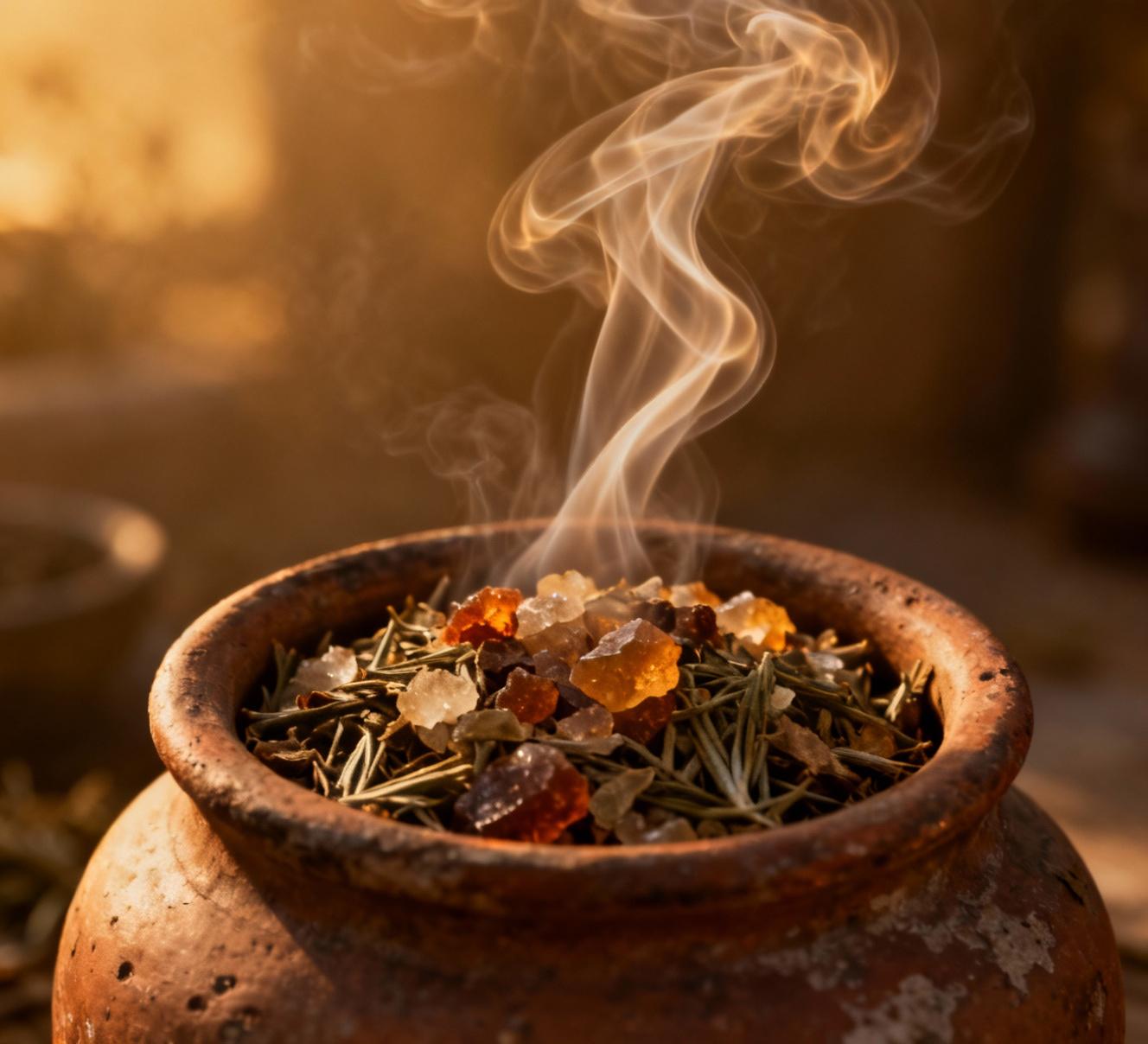
In ancient Egypt, the art of embalming was deeply intertwined with the use of aroma. Ingredients like myrrh, frankincense, and various spices were meticulously layered within the body, preserving it for its journey into the afterlife. Beyond the funerary context, Egyptians were avid users of perfumes. Kyphi, a complex blend of sixteen ingredients including honey, wine, raisins, myrrh, and juniper, was burned as incense and worn as a perfume. The preparation of these substances was a sacred task, often performed by priests.
Greece: Medicinal Uses of Herbs, Perfumes, and Aromatherapy
The ancient Greeks recognized the medicinal properties of aromatic herbs and plants. Hippocrates, the father of medicine, advocated for the use of fumigation to combat disease. Perfumes weren’t merely cosmetic; they were considered therapeutic. Philosophers like Theophrastus wrote extensively about scents and their effects on the mind and body, laying the groundwork for what we now know as aromatherapy.
Rome: Bathhouses, Perfumes, and Opulent Displays of Fragrance
Roman bathhouses were epicenters of social life, and fragrance played a crucial role in the bathing experience. Aromatic oils and perfumes were generously applied to the body after bathing, enhancing the senses and promoting relaxation. The wealthy Romans indulged in extravagant displays of fragrance, using exotic perfumes imported from distant lands. The use of aroma was a clear indicator of social standing, with rarer, more expensive scents reserved for the elite.
Other Cultures
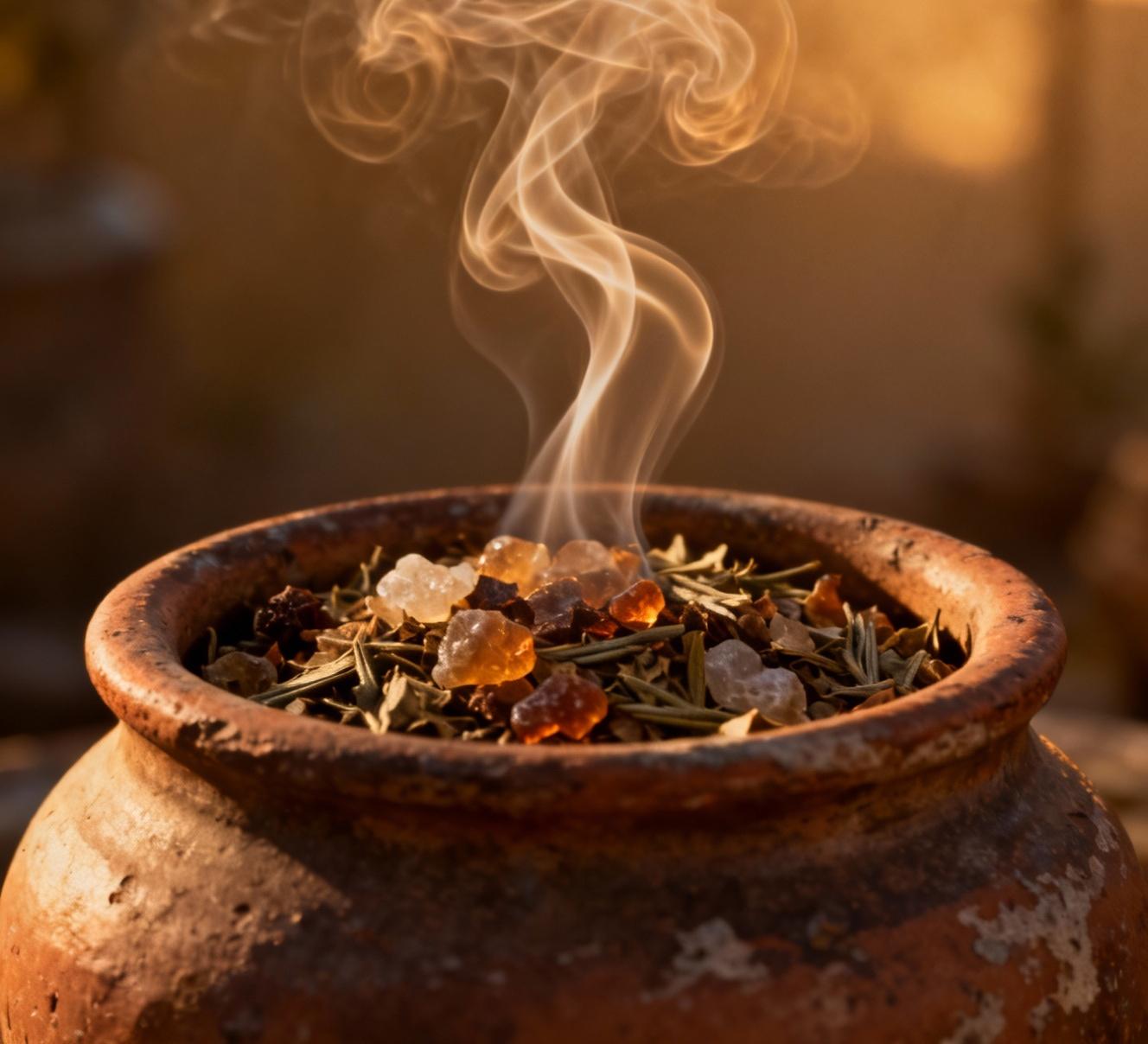
Mesopotamia witnessed the creation of some of the earliest known perfumes, using techniques like maceration and enfleurage to extract fragrance from flowers and herbs. In ancient Persia, rosewater distillation was perfected, creating a delicate and highly prized aroma. And in India, Ayurvedic medicine incorporated aromatic herbs and resins like sandalwood for healing and spiritual practices, a tradition that continues to thrive today.
Recreating Ancient Aromas Today
The possibility of recreating ancient perfumes is tantalizing. Archaeologists have uncovered recipes inscribed on clay tablets and have analyzed residues found in ancient perfume vessels, providing clues to the ingredients and techniques used. However, recreating these scents is fraught with challenges. Some ingredients are now extinct or difficult to source. Ethical considerations also arise when considering the use of materials derived from endangered species.
Despite the challenges, perfumers and historians are collaborating to reconstruct these lost fragrances. By combining historical research with modern techniques, we can gain a deeper understanding of the sensory world of the past. Imagine experiencing the very scents that Cleopatra herself might have worn or the incense that filled the temples of Babylon!
Conclusion: The Enduring Legacy of Aroma
The study of aroma in the ancient world offers a unique window into the lives, beliefs, and practices of our ancestors. From the sacred rituals of Egypt to the opulent bathhouses of Rome, scent permeated every aspect of ancient life. The techniques and ingredients used in ancient perfumery laid the foundation for modern aromatherapy and perfumery.
Take a moment to close your eyes. Imagine the smoky tendrils of frankincense rising from an altar, the earthy notes of cedarwood in an Egyptian tomb, or the sweet fragrance of rosewater in a Persian garden. The scents of the past are not just historical curiosities; they are powerful reminders of our shared human experience. Let us remember and respect the power of scent, just as our ancestors did.