Saffron Scents of Serenity: How Ancient Monastic Aromas Fuel Modern Peace Walks
Introduction: The Resurgence of Ancient Wisdom in a Modern World
Imagine the gentle rustle of robes, the rhythmic cadence of footsteps, and the subtle, grounding aroma that clings to the air around a walking pilgrimage. The Buddhist monks’ ‘Walk for Peace,’ a powerful symbol of dedication and tranquility, resonates deeply in our often-chaotic world. As they journeyed from Texas to Washington D.C., they not only covered miles but also bridged centuries, reminding us of the enduring power of ancient traditions to address contemporary challenges.
There’s a growing hunger for practices that offer solace and meaning. We seek mindfulness, connection, and a sense of inner peace – desires that are beautifully met by the aromatic heritage of ancient monasticism.
The Aromatic Heritage of Buddhist Monasticism
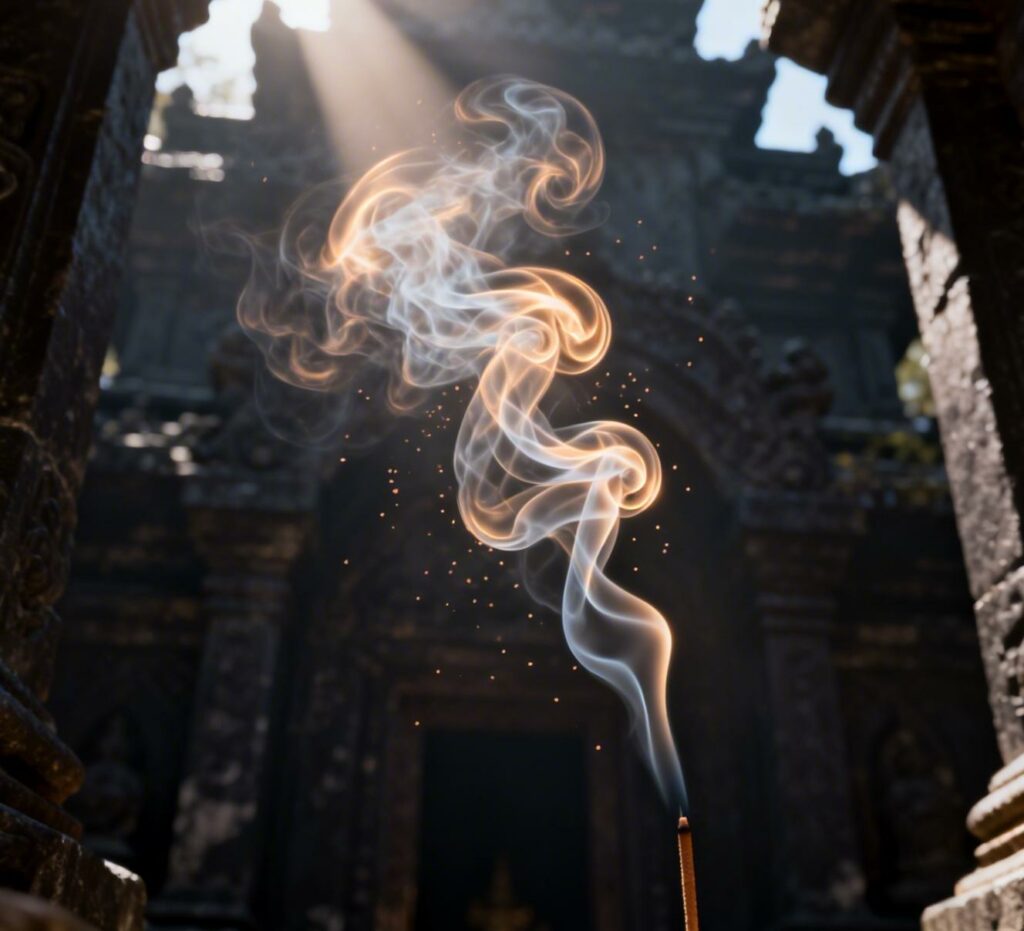
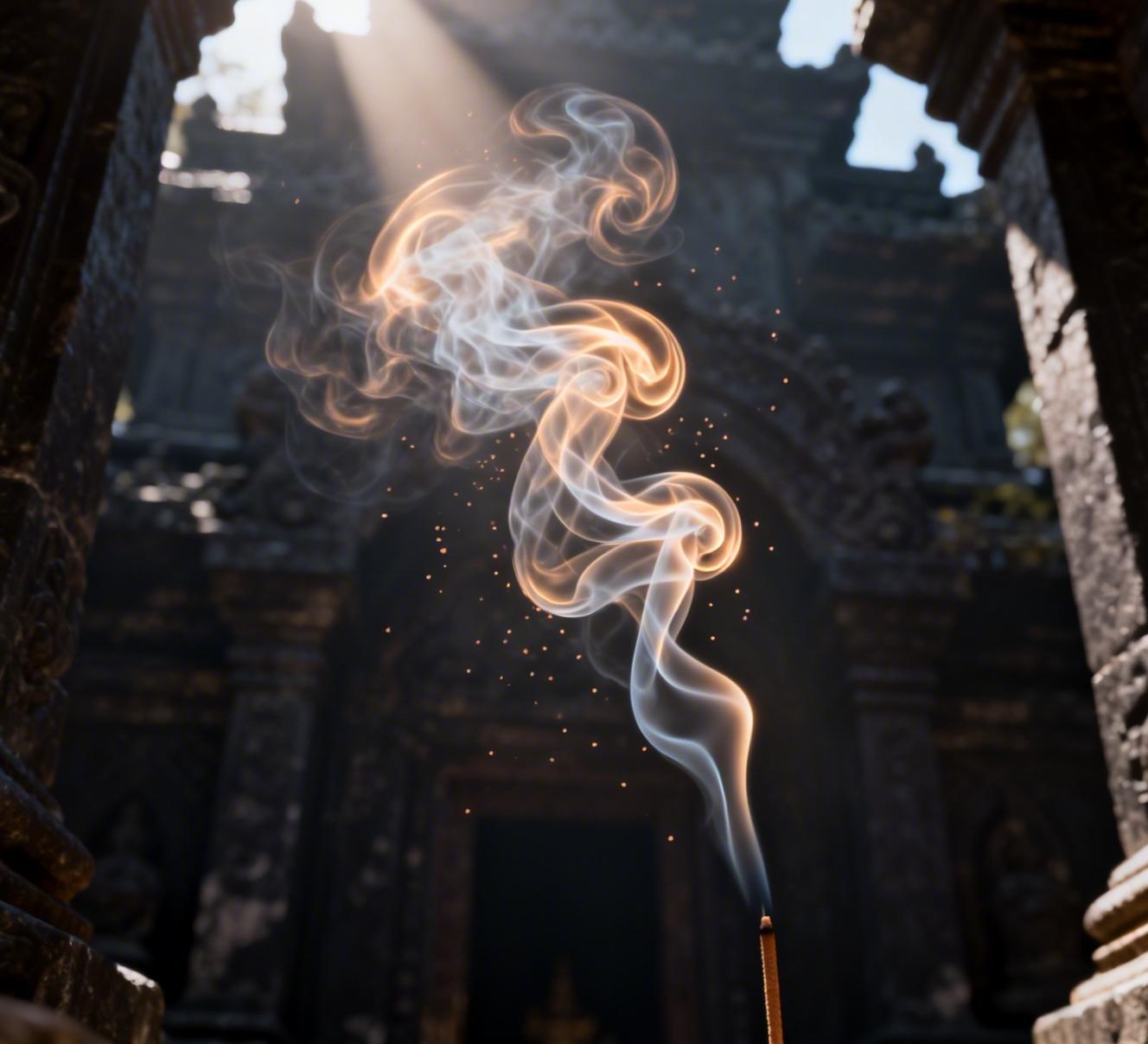
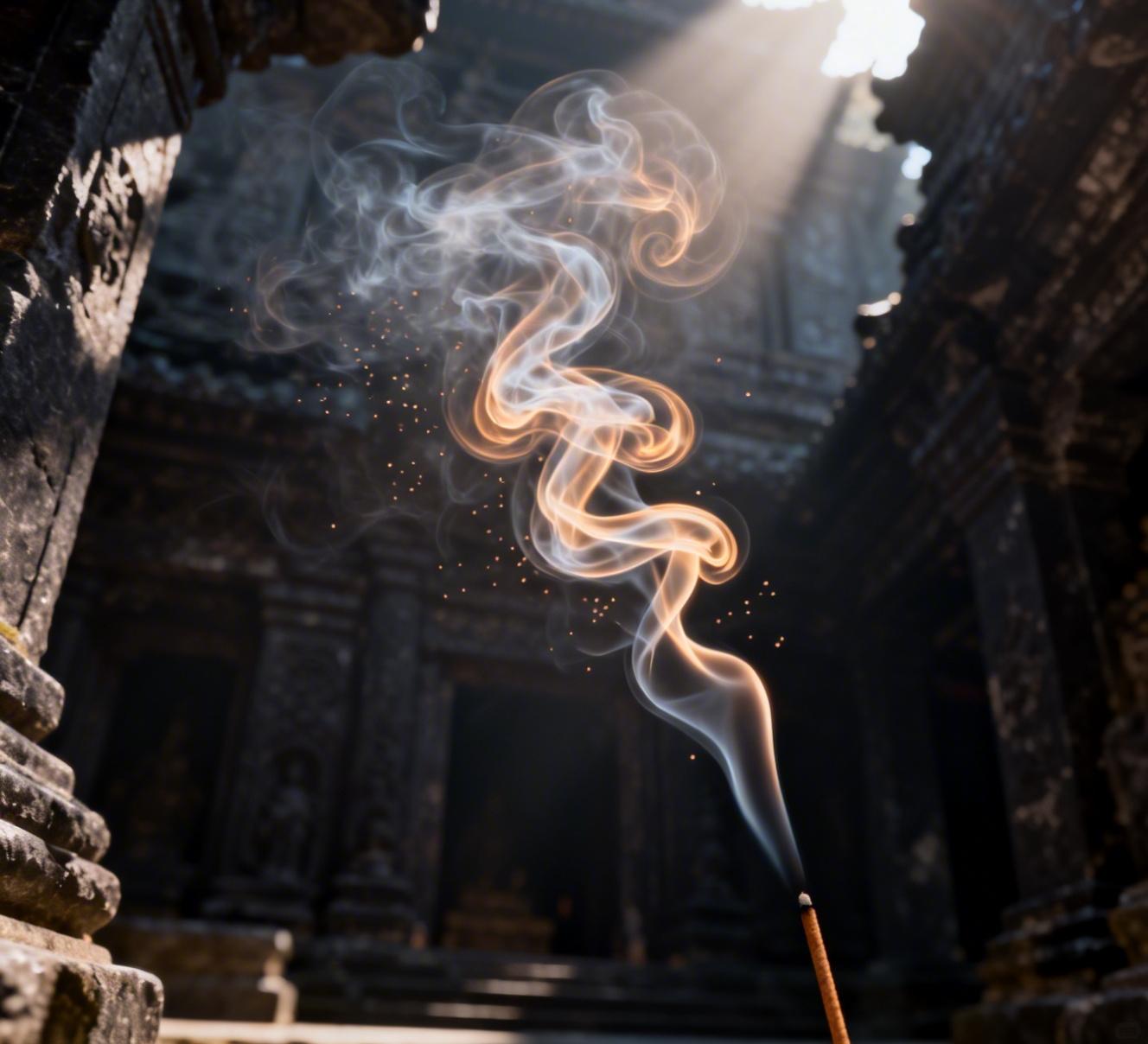
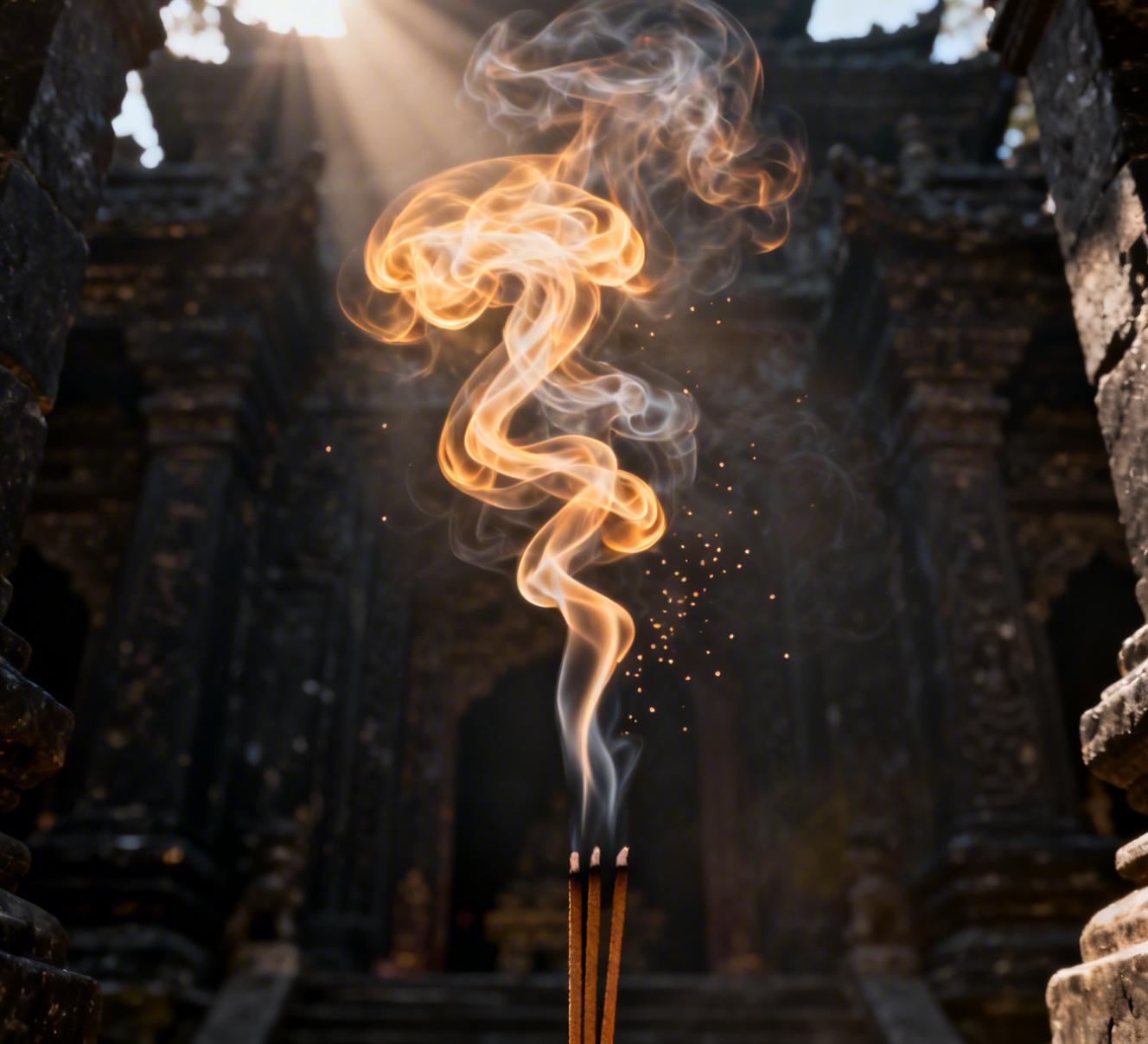
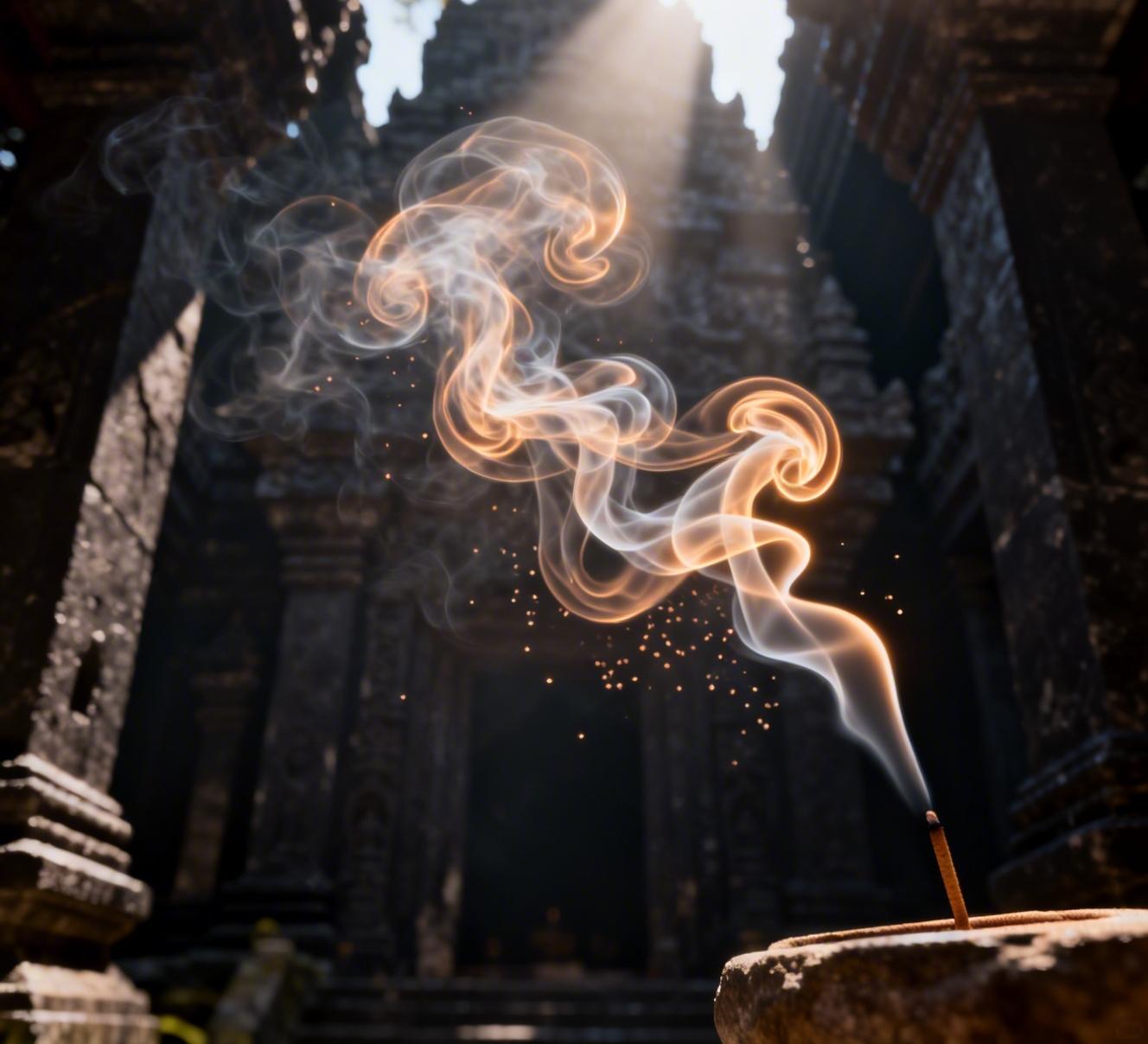
For centuries, incense and essential oils have been integral to Buddhist practices, serving as tools for meditation, focus, and spiritual elevation. The rising tendrils of smoke weren’t merely decorative; they were conduits to the divine, carrying prayers and intentions heavenward.
Sandalwood, with its creamy, grounding scent, was favored for its ability to calm the mind and enhance concentration. Frankincense, revered for its purifying properties, created an atmosphere of reverence and contemplation. Historical texts from ancient monasteries detail the meticulous preparation of incense blends, often incorporating rare and precious ingredients.
“The scent of incense, like a whispered prayer, ascends to the heavens, carrying our intentions and clearing the path to enlightenment.”
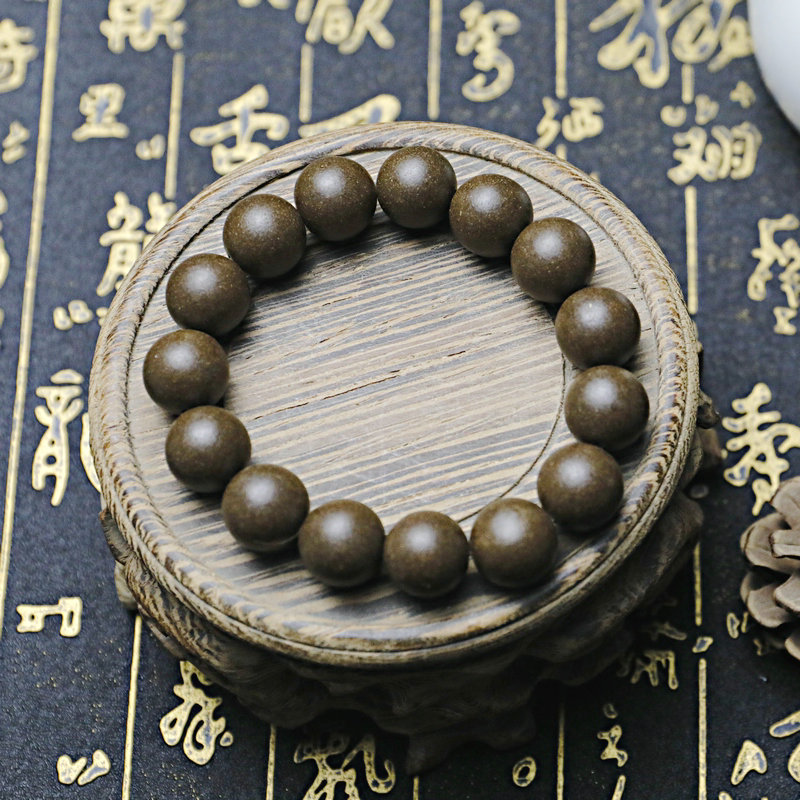
Imagine the scent of burning Agarwood, prized for its complex fragrance and its association with enlightenment. These aromas were not just pleasant; they were essential to creating an environment conducive to spiritual growth.
The Psychological and Physiological Effects of Aroma on Peace and Wellbeing
The connection between aroma and well-being extends beyond tradition; it’s rooted in science. When we inhale an aroma, molecules travel through the olfactory system, directly impacting the limbic system – the brain’s center for emotions and memory.
Certain aromas can trigger the release of neurotransmitters like serotonin and dopamine, promoting feelings of calm, joy, and focus. For example, lavender has been shown to reduce anxiety and improve sleep, while rosemary can enhance cognitive function and memory.
The potential for promoting feelings of peace, empathy, and compassion is immense. Aromas are an invisible bridge between the physical and the emotional, subtly shaping our inner landscape.
The Aroma of the Walk: Speculating on the Monks’ Sensory Experience
Picture the monks on their long walk. The air of Texas, thick with the scent of sun-baked earth and wildflowers, gradually shifting to the more industrial smells of urban areas. The contrast between the natural world and the man-made environment must have been striking.
The sweetness of blooming honeysuckle might have offered moments of respite, while the fumes of traffic in bustling cities could have been a stark reminder of the disharmony they sought to alleviate.
Imagine the dry, dusty aroma of farmland, the crisp, clean scent of pine forests, and the subtle, salty tang of the ocean air as they neared the coast. Each scent a marker of their journey, a whisper of the land beneath their feet.
Recreating the Monastic Aroma at Home: A Guide to Peaceful Scents
You too can cultivate a sense of peace and mindfulness through the power of aroma. Start by creating a sacred space in your home – a corner dedicated to meditation and relaxation.
Incorporate traditional Buddhist aromas like sandalwood incense or diffuse essential oils such as frankincense and myrrh. Experiment with blends that resonate with you, perhaps combining cedarwood for grounding with a touch of sweet orange for upliftment. Light a candle with a subtle fragrance and allow the flickering flame to draw your attention inward.
Consider a simple aromatherapy ritual before your meditation practice. Anoint your wrists with a drop of diluted essential oil and take a few deep breaths, allowing the aroma to center you. Choose scents that are personally meaningful to you and create an environment that nourishes your inner peace.
Conclusion: Inhaling Peace: The Future of Aromatic Wisdom
The ‘Walk for Peace’ serves as a potent reminder that ancient wisdom holds the key to navigating modern challenges. By embracing the aromatic traditions of monastic life, we can cultivate inner peace and contribute to a more harmonious world.
Take a moment now. Close your eyes, inhale deeply, and imagine the gentle scent of sandalwood filling your senses. Let the aroma be a reminder to breathe, to be present, and to cultivate peace within.
The journey to inner peace begins with a single breath, a single scent, a single step. Let’s walk it together, one mindful aroma at a time.