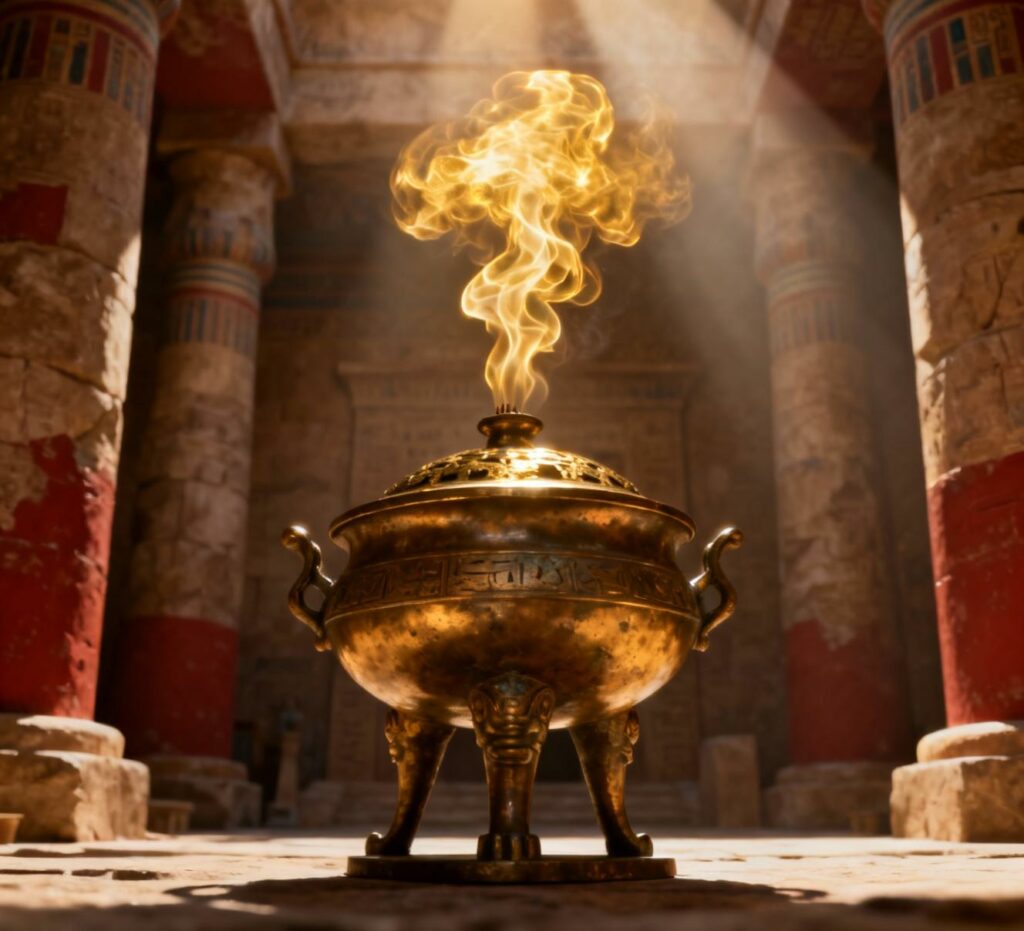
Ancient Aromas: Unearthing the Scents of the Past
Imagine stepping back in time, not just seeing the cobblestone streets and grand architecture of ancient Rome, but *smelling* it. The mingling of spices from distant lands, the earthy aroma of public baths, the waft of incense from a temple… What stories would these scents whisper?
Aromas were far more than mere background noise in the ancient world. They were woven into the fabric of daily life, culture, and religious ritual. Exploring these scents offers a unique and profoundly sensory window into the past, allowing us to connect with civilizations long gone on a deeper level. Join us as we unearth the fragrant secrets of antiquity!
The Scented World of Antiquity
Ancient Egypt: Perfumes, Incense, and Divinity
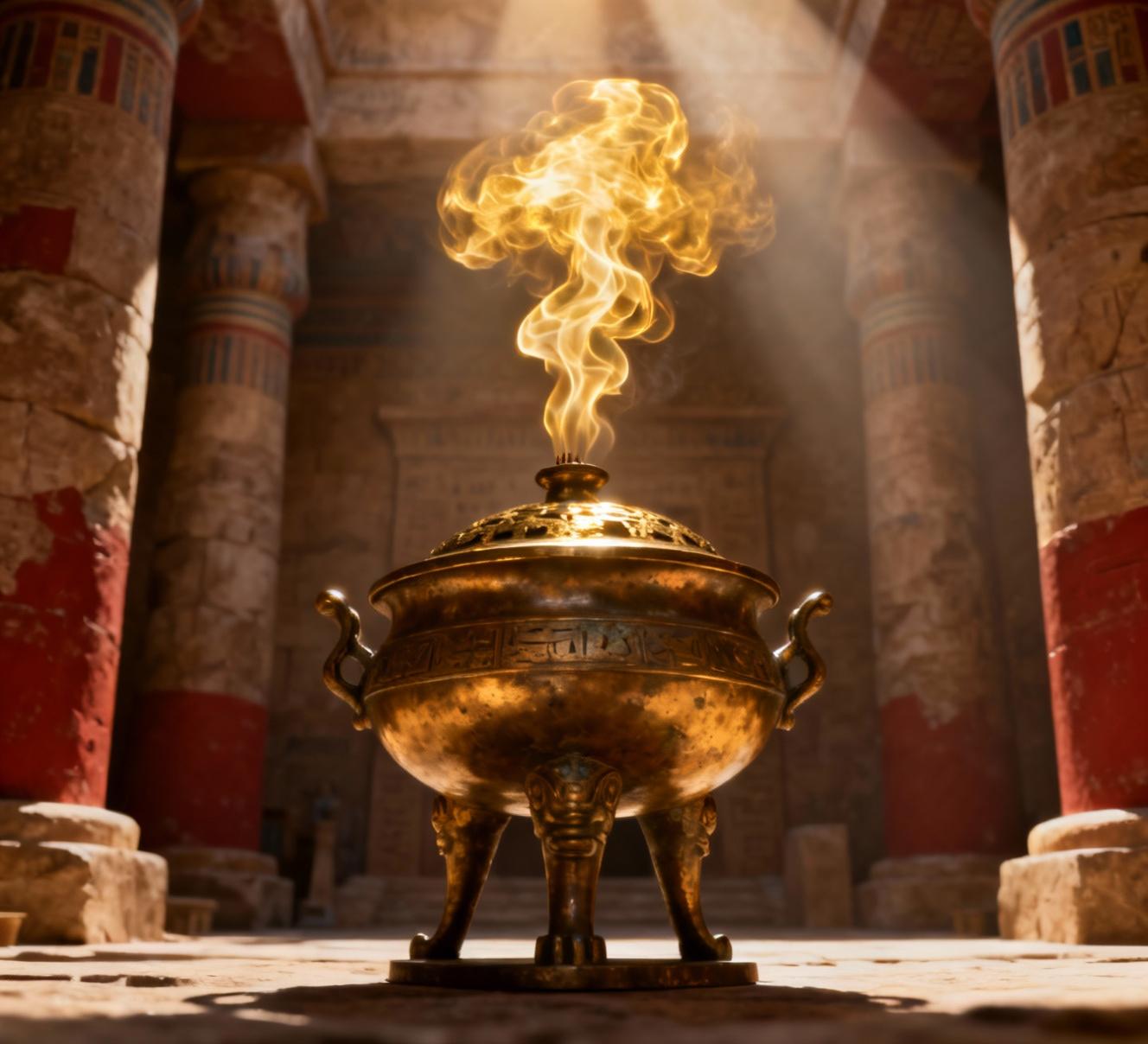
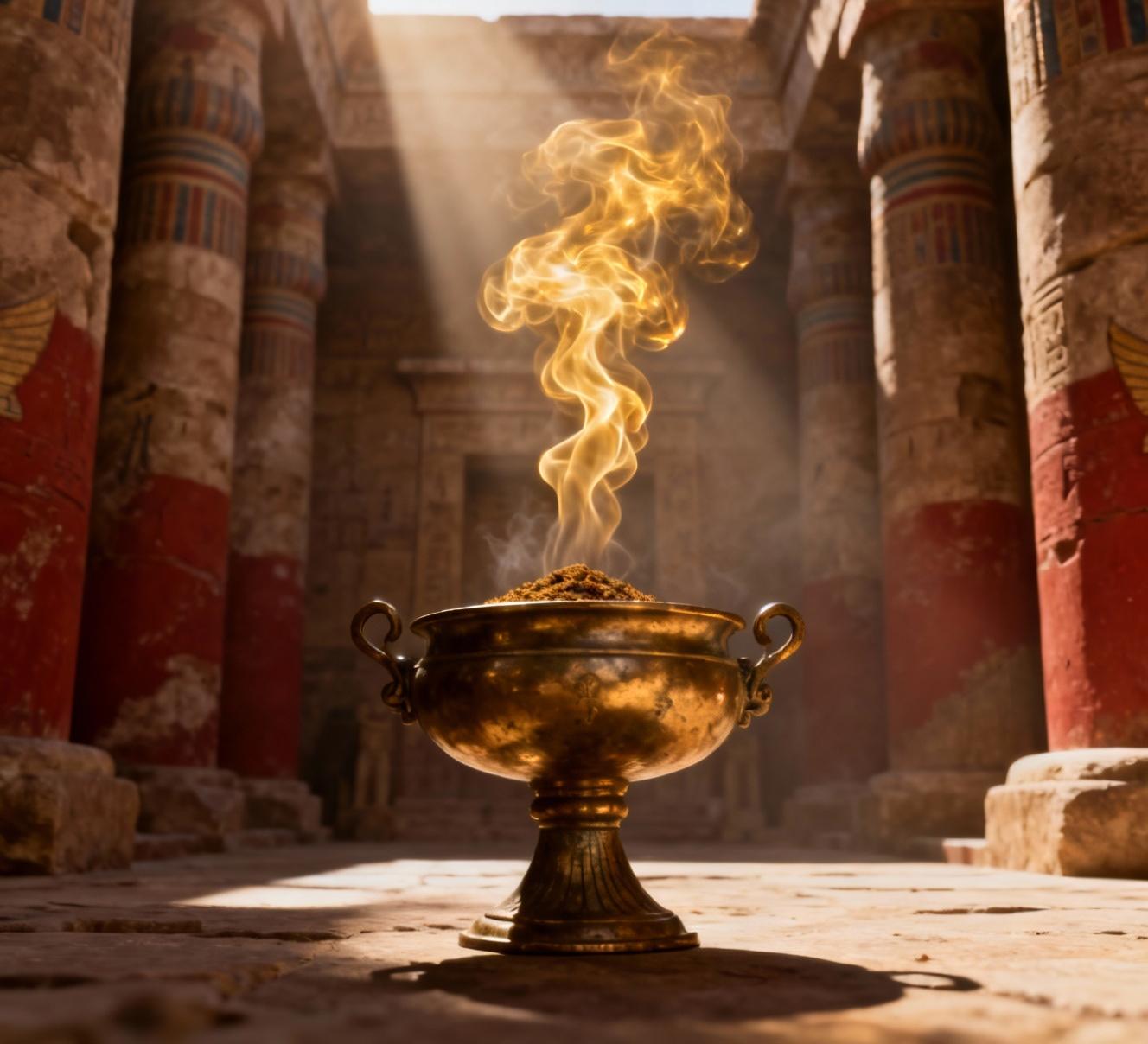
Ancient Egypt was a land steeped in aroma. Perfumes and incense were not luxuries, but essential components of religious practices and daily hygiene. Imagine the air thick with the scent of sacred resins during a temple ceremony, a fragrant offering to the gods.
“Fragrance is the sweat of the gods.” – Ancient Egyptian Proverb
Kyphi, a complex incense blend, held immense religious significance. Its ingredients, a closely guarded secret, likely included resins like frankincense and myrrh, along with juniper berries and other aromatic plants. It was burned in temples to purify the air and create an atmosphere conducive to spiritual connection.
Aromatic oils played a vital role in mummification. They were used to preserve the body, imbuing it with protective and purifying essences, ensuring a safe passage to the afterlife. The very act of preservation was an act of scent.
Ancient Greece: Fragrances in Daily Life and Mythology
In ancient Greece, fragrances permeated daily life, from personal adornment to athletic endeavors. Rosewater and olive oil were common scents, used for cleansing, moisturizing, and perfuming the body. Think of athletes anointing themselves with fragrant oils before competing in the Olympic Games, the air alive with invigorating aroma.
Aphrodite, the goddess of love and beauty, was closely associated with scent. Legends tell of her arrival on earth accompanied by a cloud of perfume, highlighting the power of fragrance to evoke desire and allure.
Ancient Rome: Aromatic Excess and Social Status
Ancient Rome took the use of aroma to extravagant levels. Public baths were lavishly perfumed, with scented oils and incense filling the air. Fountains flowed with rosewater, creating an opulent and immersive sensory experience. Imagine the steam rising, carrying the scent of jasmine and lavender.
Incense and perfume became potent symbols of wealth and power. The elite flaunted their access to rare and expensive fragrances, showcasing their status through the scents they wore and the atmosphere they created. The more exotic and potent the aroma, the higher the social standing.
Reconstructing Ancient Aromas
Challenges in Recreating Historical Scents
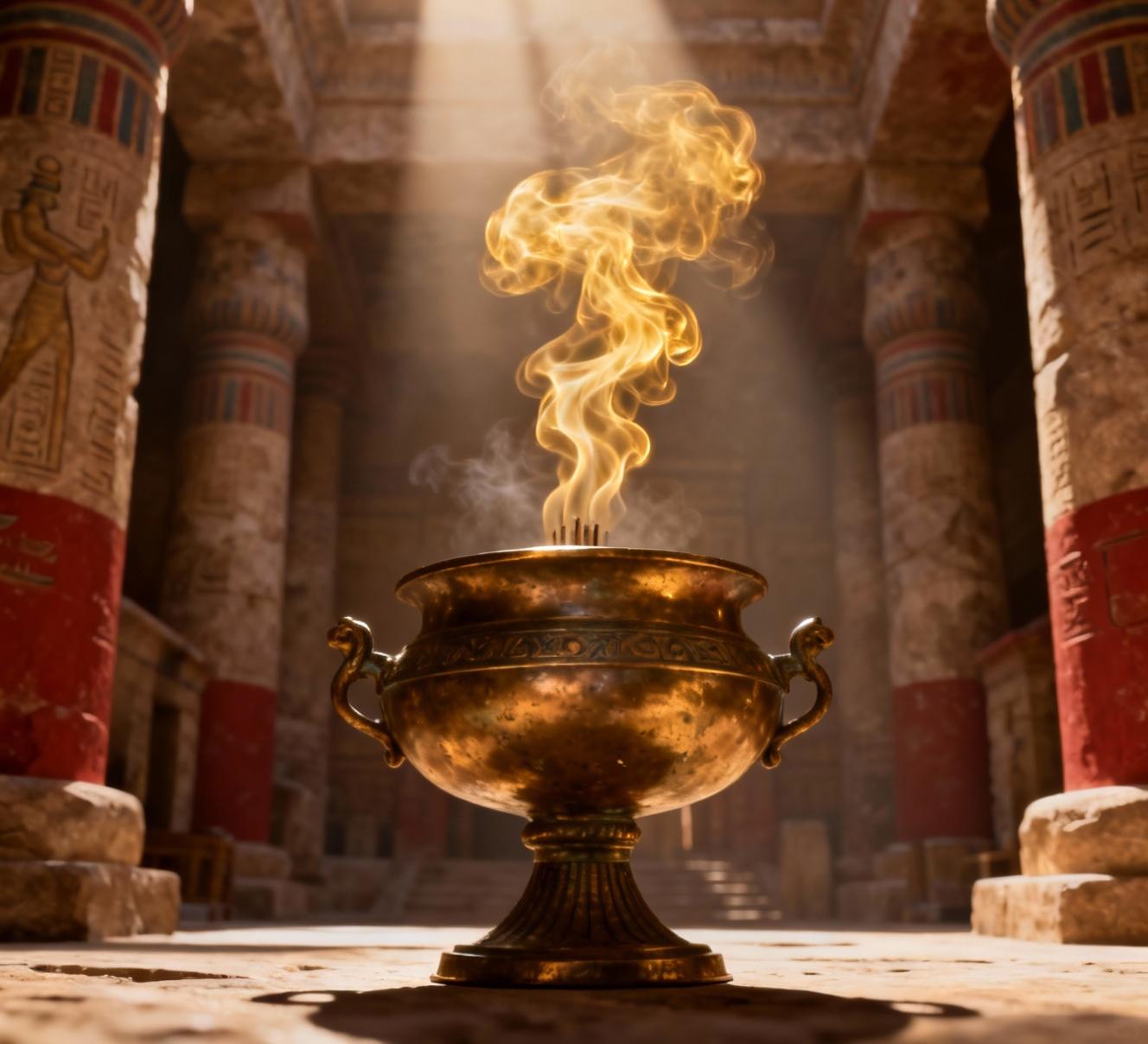
Recreating ancient aromas presents numerous challenges. Many recipes have been lost to time, and surviving records are often imprecise or incomplete. Pinpointing the exact ingredients and their proportions requires painstaking research and educated guesswork.
The availability of authentic ingredients is another obstacle. Some plants and resins used in antiquity are now rare or extinct, making it difficult to replicate the original scent profiles accurately. Modern substitutes may capture the essence, but the subtle nuances of the ancient aroma may be forever lost.
Modern Attempts to Revive Ancient Fragrances
Despite the challenges, modern researchers and perfumers are making fascinating attempts to revive ancient fragrances. Archaeological scent projects analyze residue found in ancient vessels to identify the compounds present, offering clues to the original ingredients.
Historical texts and artistic representations, such as frescoes and pottery, provide valuable information about the use of fragrances in different cultures. By combining scientific analysis with historical research, we can gain a deeper understanding of the scented world of the past. Consider the work being done to recreate Cleopatra’s perfume, a testament to our enduring fascination with ancient aromas.
The Enduring Legacy of Ancient Aromas
How Ancient Aromatics Influenced Modern Perfumery
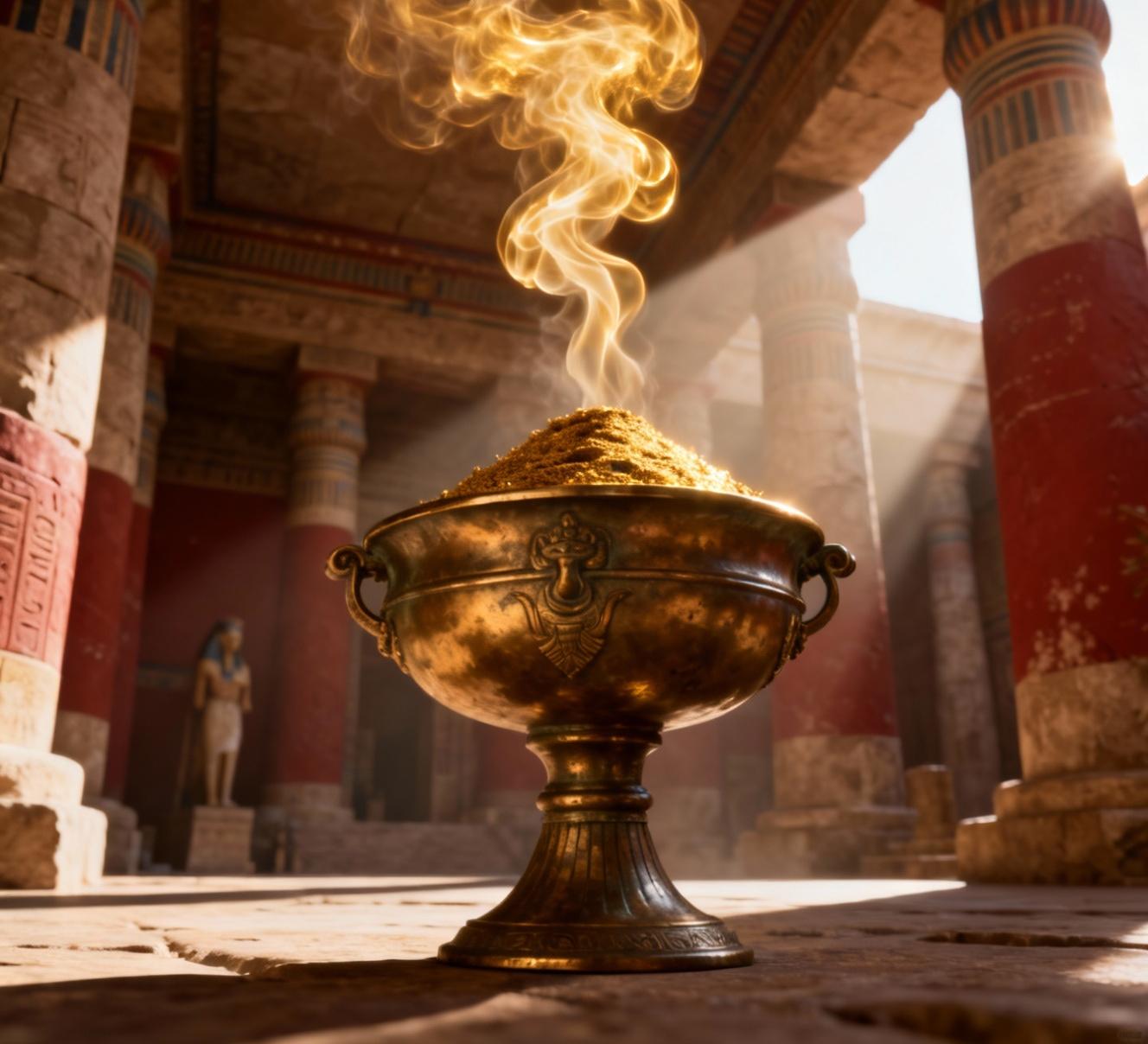
Ancient aromatics have had a profound and lasting influence on modern perfumery. Many ingredients and techniques used today can be traced back to ancient practices. The art of extracting essential oils, for example, was refined by ancient civilizations and continues to be a cornerstone of the perfume industry.
Lessons from the Past: Sustainability and Mindful Consumption
The ancient world offers valuable lessons about sustainability and mindful consumption. Many ancient cultures understood the importance of respecting the natural world and using resources responsibly. The unsustainable harvesting of certain aromatic plants led to their scarcity, reminding us of the need for ethical and sustainable practices in the modern fragrance industry. Reflect on how we can honor the earth in our pursuit of pleasing aromas.
The Timeless Appeal of Natural Scents
Despite the advancements in synthetic fragrances, the timeless appeal of natural scents remains strong. There is something inherently grounding and restorative about connecting with the aromas of the natural world, whether it’s the earthy scent of sandalwood or the uplifting fragrance of citrus. These scents resonate with our primal instincts, evoking feelings of peace, well-being, and connection to the earth.
Conclusion: Breathing in History
Aromas serve as sensory portals, transporting us to distant times and places. They offer a unique and evocative way to connect with the past, allowing us to experience the world through the senses of those who came before us. From the sacred incense of ancient Egypt to the perfumed baths of ancient Rome, the scents of antiquity offer a rich tapestry of cultural and historical insights.
We encourage you to explore the world of historical fragrances and discover your own favorite ancient scent inspirations. Perhaps a blend of frankincense and myrrh to evoke the mysteries of ancient Egypt, or the subtle aroma of rosewater to channel the elegance of ancient Greece. Take a moment to breathe deeply, and let the aromas of the past awaken your senses and nourish your soul. Share your favorite ancient scent inspirations with us in the comments below!