Ancient Wisdom, Modern Calm: How Aromatherapy Taps into Timeless Healing Traditions
The Enduring Allure of Aroma
Imagine stepping back in time, dear Ancient Historian, to an era where the air itself was thick with intention, where the scent of burning resins wasn’t just a fragrance, but a pathway to the divine. We’re diving deep into the world of aroma and its timeless power to heal, connect, and transform.
From the grand temples of Egypt to the tranquil gardens of the East, the use of scent has been interwoven with our spiritual and cultural evolution. Join us as we unravel this fragrant tapestry, exploring how ancient wisdom continues to resonate in modern aromatherapy.
Tracing Aroma’s Roots: A Historical Journey
Ancient Egypt: Fragrance for Eternity
In the land of the pharaohs, aroma was more than just a luxury; it was essential to life and the afterlife. Myrrh, frankincense, and cedarwood were meticulously used in the mummification process, ensuring a fragrant passage to eternity. Religious ceremonies were saturated with incense, believed to carry prayers to the gods. The very air spoke of reverence and immortality.
Ancient Greece: The Scent of Healing
The ancient Greeks elevated aroma to an art and a science. Hippocrates, the father of medicine, prescribed aromatic fumigations for their healing properties. Perfumes, crafted from flowers and herbs, adorned the bodies of the elite, signifying status and sophistication. The scent of roses, lavender, and thyme filled their homes, promoting health and well-being.
Ancient Rome: Status and Sensory Indulgence
The Romans embraced aroma with characteristic opulence. Public baths were lavishly scented with essential oils, creating immersive sensory experiences. Fragrances signified social status; the wealthier citizens enjoyed exotic perfumes from distant lands. From rose-petal baths to fragrant oils, aroma was an integral part of Roman life, reflecting their love of luxury and indulgence.
Ancient Asian Traditions: Balancing Energies
In ancient Asia, aroma played a crucial role in holistic healing traditions like Ayurveda and Traditional Chinese Medicine. Specific scents were used to balance the body’s energies, promote emotional well-being, and support spiritual practices. From the calming Sandalwood of India to the invigorating ginger of China, aroma was a powerful tool for achieving harmony and vitality.
Vedic Wisdom: Karmic Cleansing Through Aroma
Delving into Vedic philosophy, we discover the profound connection between aroma and karmic purification. The concept of karmic debts suggests that our past actions influence our present lives, creating challenges and obstacles that need to be addressed.
Vedic astrology sheds light on these debts, revealing how planetary influences can manifest as specific karmic burdens. Through mindful use of aroma during meditation and spiritual practices, we can begin to dissolve these burdens and cultivate greater inner peace.
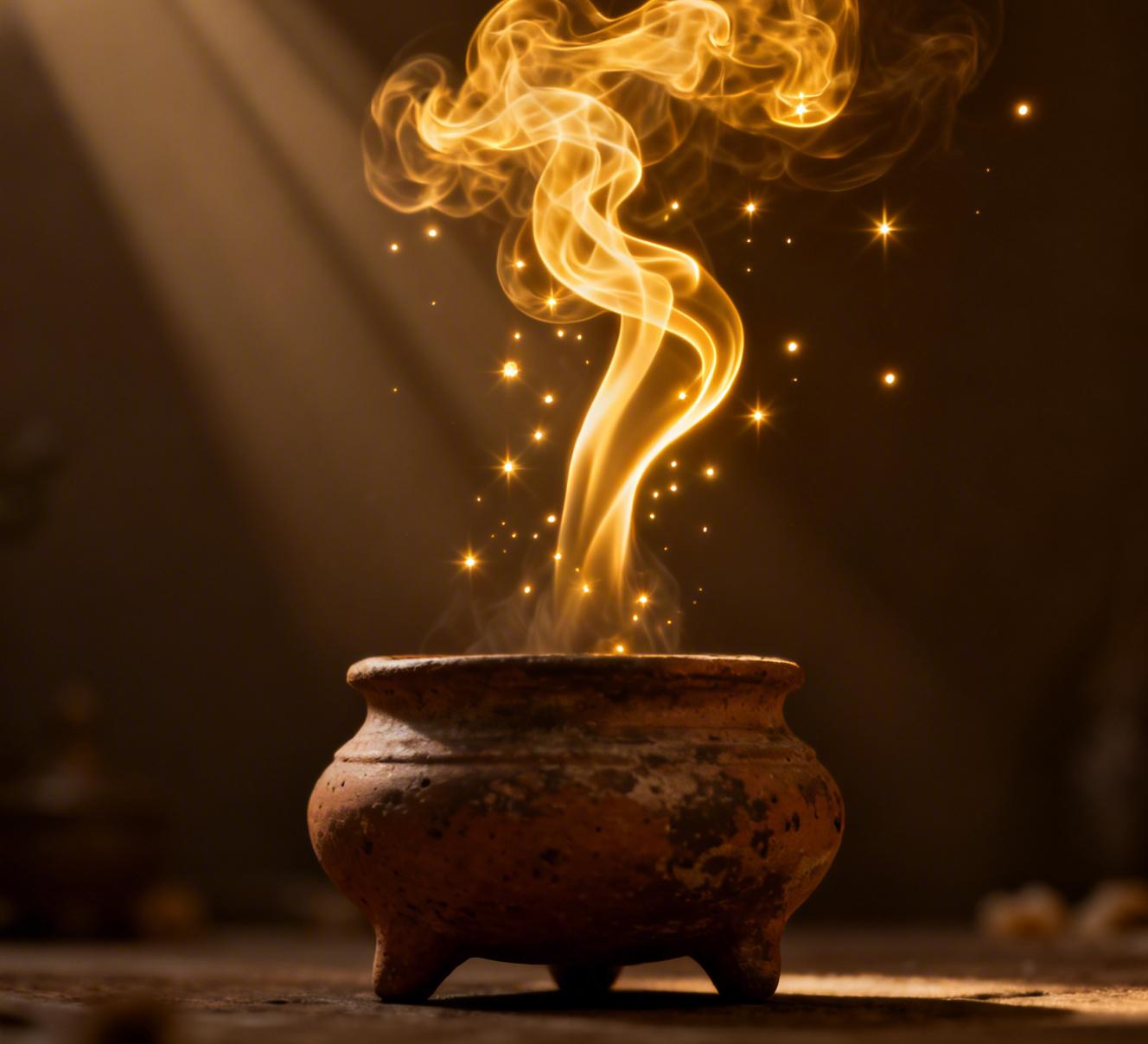
Certain aromas are believed to have particular karmic cleansing properties. For instance, the sweet, grounding scent of Sandalwood is associated with forgiveness and compassion, helping to release resentment and cultivate kindness. The purifying aroma of sage promotes detachment and clarity, allowing us to let go of limiting beliefs and attachments. The sacred scent of frankincense fosters spiritual connection and inner peace, guiding us towards self-realization.
“The fragrance of forgiveness is sweeter than the scent of revenge.”
By consciously incorporating these aromas into our spiritual practices, we can actively work towards reducing karmic burdens and creating a more harmonious and fulfilling life.
Modern Applications: Bridging Past and Present
Modern aromatherapy is deeply rooted in the ancient knowledge and traditions we’ve explored. Contemporary wellness practices draw upon the wisdom of the Egyptians, Greeks, Romans, and Asian cultures, harnessing the power of essential oils for a wide range of benefits.
Essential oils are now widely used for stress reduction, emotional healing, and personal growth. The calming scent of lavender can ease anxiety and promote restful sleep. The uplifting aroma of citrus fruits can boost mood and energy. The grounding fragrance of cedarwood can foster a sense of stability and security.
Aromatherapy has become an integral part of holistic wellness, offering a natural and effective way to support physical, emotional, and spiritual well-being. By understanding the historical roots of this practice, we can deepen our appreciation for its transformative potential.
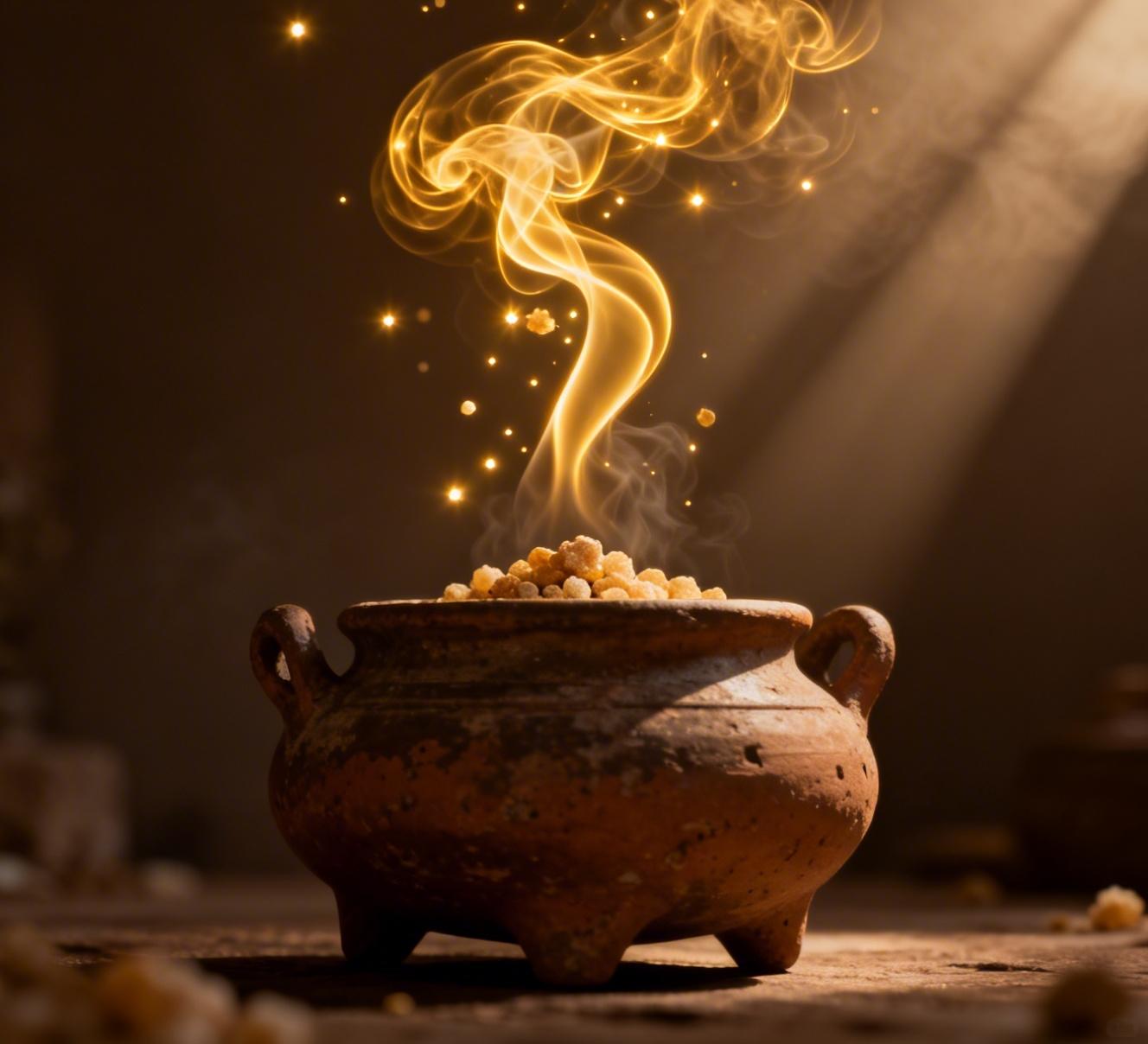
Embrace the Aromatic Legacy
We invite you, dear reader, to embark on your own aromatic journey. Explore the rich history and modern applications of aromatherapy, discovering how this ancient practice can enhance your well-being and enrich your life.
Consider incorporating aroma into your daily routine. Light a Sandalwood incense stick during meditation to cultivate inner peace. Diffuse Frankincense essential oil in your home to create a sacred and uplifting atmosphere. Use a lavender-infused body lotion before bed to promote restful sleep.
Experiment with different scents and discover which ones resonate most deeply with you. Pay attention to how aromas affect your mood, emotions, and overall sense of well-being. Let the wisdom of the ancients guide you on this fragrant path.
What are your favorite aromas, and how do you incorporate them into your life? Share your experiences with aromatherapy and its historical connections in the comments below. Let’s create a community of scent enthusiasts, celebrating the enduring power of aroma to heal, connect, and transform.
Take a deep breath now. Inhale peace. Exhale gratitude.