The Dalai Lama’s Grammy: Aromatic Meditations Through Millennia?
The Dalai Lama’s Historic Grammy Win
Imagine the gentle curl of Sandalwood smoke, a whisper of ancient wisdom carried on the air. Now, envision that very essence finding its voice—a voice that echoes through the ages. This is the feeling evoked by the Dalai Lama’s recent, and utterly deserving, Grammy win.
At 91 years young, His Holiness the 14th Dalai Lama secured his first Grammy for his album, “Meditations.” It’s more than just an award; it’s a recognition of a lifetime dedicated to peace, compassion, and the cultivation of inner stillness.
But what does music have to do with aroma? Stay with us. While the album itself is auditory, the practice of meditation, especially as it stretches back through history, often incorporates fragrant elements – incense, resins, and essential oils – that deepen the experience and transport us to another realm.
The Dalai Lama’s teachings resonate with ancient meditative traditions. By exploring the historical connections between aroma, spirituality, and meditation, we can gain a richer appreciation for both his message and the enduring power of scent to shape our inner landscapes.
Historical Context of Aromatic Meditation
Long before the modern wellness movement, aroma was intrinsically linked to spiritual practice. Consider the ancient Egyptians, whose temples were thick with the smoke of Frankincense and Myrrh, believed to carry prayers to the gods.
In ancient Greece, fragrant oils were used in rituals and ceremonies, connecting the physical body with the divine. Roman bathhouses weren’t merely for hygiene; they were sensory experiences enhanced by perfumed oils and incense, designed to purify both body and mind.
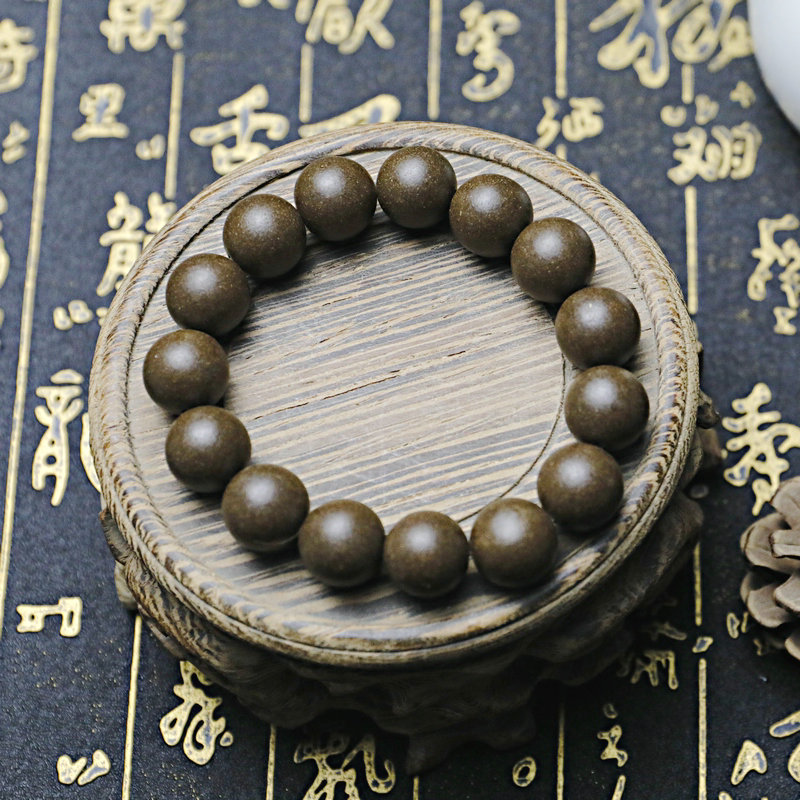
Across the Eastern world, particularly in China and India, the burning of incense has been an integral part of religious and meditative practices for millennia. The delicate fragrance of Agarwood, known as “Oud” in some cultures, was (and still is) highly prized for its ability to calm the mind and open the spirit.
Fragrance in Religious Traditions
The use of aroma isn’t confined to a single culture or religion. From the burning of incense in Catholic churches to the fragrant offerings in Buddhist temples, scent plays a crucial role in creating a sacred atmosphere, heightening the senses, and facilitating a connection to the divine.
Incense serves as a symbolic offering, a fragrant prayer rising towards the heavens. The act of preparing and burning incense can itself be a meditative practice, a mindful engagement with the present moment.
Aromatherapy and Herbalism: An Ancient Partnership
The connection between aroma and healing extends far beyond spiritual practices. Ancient forms of herbalism, the predecessors to modern aromatherapy, recognized the therapeutic properties of plants and their essential oils.
These civilizations understood that specific scents could influence mood, alleviate stress, and promote overall well-being. For example, lavender was often used for its calming properties, while rosemary was believed to enhance memory and concentration.
“Smell is a potent wizard that transports you across thousands of miles and all the years you have lived.” – Helen Keller
Bridging the Past and Present
Today, meditation and mindfulness practices are experiencing a global resurgence. In our increasingly chaotic world, people are seeking tools to cultivate inner peace and resilience. This is where aroma finds a renewed purpose.
Essential oils and incense are being incorporated into modern meditation routines to deepen relaxation, enhance focus, and create a more immersive sensory experience. Whether it’s the grounding aroma of Patchouli or the uplifting scent of citrus, fragrance can be a powerful ally on the path to inner stillness.
The use of aroma can transform a simple meditation session into a multi-sensory journey, a mini-retreat from the stresses of daily life.
The Dalai Lama’s Message: A Scent of Compassion
While the Dalai Lama’s “Meditations” album is an auditory experience, his overarching message of peace and compassion aligns beautifully with the calming and grounding effects of aromatherapy.
Just as certain aromas can soothe the mind and open the heart, the Dalai Lama’s teachings encourage us to cultivate inner qualities that promote harmony and well-being, not only for ourselves but for all beings.
Perhaps we can think of his message as a kind of spiritual aroma, spreading outwards and filling the world with a sense of hope and interconnectedness.
Conclusion: An Aromatic Legacy
The Dalai Lama’s Grammy win serves as a reminder of the enduring power of meditation and the importance of cultivating inner peace. As we’ve seen, the use of aroma in meditative practices stretches back through millennia, connecting us to ancient traditions and offering a pathway to deeper self-awareness.
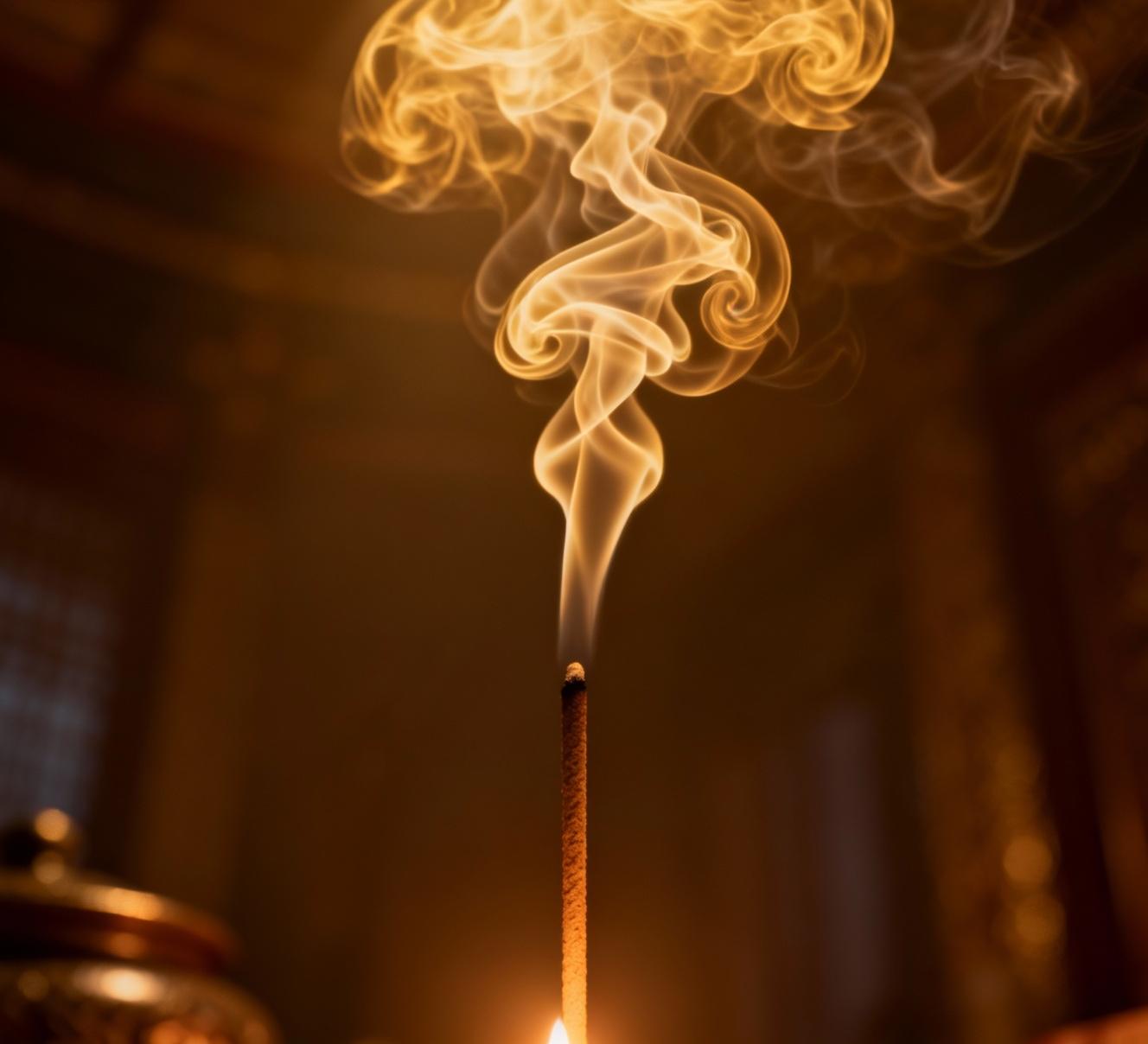
Consider incorporating a simple aromatic element into your own daily routine. Light a stick of incense, diffuse your favorite essential oil, or simply take a moment to inhale the fragrance of a flower. Let the scent transport you to a place of calm and serenity.
Allow yourself to be immersed in the experience, letting the fragrance guide you towards a place of inner peace. Perhaps it will unlock a new dimension within your mindfulness practice, connecting you to the ancient wisdom embodied by figures like the Dalai Lama. May your journey be fragrant and filled with peace.